Cost & Pricing· 7 min read· Updated
Cedar Privacy Fence Cost Guide: Round Rock & Williamson County
A buyer's guide to cedar privacy fence pricing in Williamson County, covering cedar versus pine, steel versus wood posts, rock drilling, and staining.
By the Oakwood Landscaping team · Reviewed by Emmanuel Heredia Sanchez, Owner & TCEQ Licensed Irrigator
A privacy fence is one of the more visible investments you can make in a Round Rock home, and cedar is the material most homeowners here ask for by name. It looks the part, it holds up to the climate, and it ages into a color that suits Central Texas neighborhoods. But cedar fences vary widely in price, and understanding why is the key to getting a fair quote.
The difference between a cheap fence and a lasting one is rarely the pickets you see. It is the posts, the hardware, and how the whole thing is anchored into ground that ranges from soft clay to solid rock. Those hidden choices are exactly where budget bids cut corners.
This guide breaks down what drives cedar fence cost in Williamson County so you can compare quotes with confidence: cedar versus pine, per-foot pricing for standard heights, why steel posts matter in Texas wind, what rock drilling adds, and how staining protects the whole investment.
Western Red Cedar vs Pressure-Treated Pine: Price vs Durability
Western red cedar and pressure-treated pine are the two workhorses of Texas fencing, and they serve different priorities. Cedar contains natural oils that resist rot and insects, stays straighter as it dries, and simply looks better. Pine is cheaper up front and is chemically treated to resist decay, but it is more prone to warping, cupping, and twisting as it goes through repeated Central Texas wet-and-dry cycles.
The honest tradeoff is initial cost versus long-term appearance and stability. Pine will save you money on the day of install. Cedar tends to hold its shape and looks far better as it ages, which matters on a fence you look at every day and that affects your home's curb appeal. Many homeowners split the difference by choosing cedar pickets on steel posts, getting cedar's looks without relying on wood in the ground.
There is no universally right answer. If you are staying in the home long term and want the best appearance, cedar is usually worth it. If you need a functional fence on a tight budget, treated pine is a legitimate choice. A good contractor will price both honestly rather than push you to one.
Per-Linear-Foot Pricing for 6-Foot and 8-Foot Privacy Fences
Fencing is quoted by the linear foot, which lets you compare bids on an apples-to-apples basis once you know what each foot includes. A standard six-foot cedar privacy fence is the most common request in Round Rock. Eight-foot fences cost meaningfully more per foot because they require taller posts set deeper, more pickets, and often an extra horizontal rail for rigidity.
Per-foot pricing rises with the details: the number of gates, whether you want a top cap and trim board, the picket style, and how many corners and grade changes the run has. A long straight run on flat ground is the cheapest fence to build. A short run with three gates, two corners, and a slope will cost more per foot even in the same material.
When you collect quotes, ask each contractor to state the height, post type, post spacing, rail count, and gate count behind their per-foot number. Two bids at the same price per foot can describe very different fences, and the cheaper-looking one often leaves out the parts that make a fence last.
- Fence height: 6-foot is standard; 8-foot costs more per foot.
- Post type and spacing: the biggest hidden cost driver.
- Number of gates and their hardware.
- Corners, slopes, and grade changes along the run.
- Optional cap, trim, and picket upgrades.
Steel Posts vs Wood Posts: Why Steel Posts Survive Texas Winds
The post is the part of a fence that fails first, and it is where the cedar-versus-cost decision really lives. A wood post set in the ground is in constant contact with soil moisture, and on expansive Blackland clay it is also subjected to the shrink-swell movement of the soil pushing and pulling on it season after season. Over years, wood posts rot at ground level and loosen in their holes.
Galvanized steel posts solve both problems. They do not rot, they do not twist, and they hold firm when Central Texas thunderstorms send 60 to 70 mile-per-hour straight-line gusts across an open yard. When a wind event flattens fences across a neighborhood, the ones left standing are almost always on steel posts. We install cedar pickets on steel posts as our standard for exactly this reason.
Steel posts add cost up front, and a budget bid will quietly spec wood to hit a lower number. But the post is not the place to save money in this climate. A fence that has to be rebuilt after the next big storm is far more expensive than the steel would have been.
Rock Drilling Costs in Greater Austin Limestone Ground
Setting a fence post means digging a hole roughly two feet deep for every post along the run, and in much of the greater Austin and Williamson County area that means hitting limestone. Where the bedrock is shallow, each post hole has to be drilled or cut through rock rather than dug, and that adds real labor to every single post.
Because a fence has a post every six to eight feet, rock drilling can add up fast across a long run. This is one reason two neighbors can get different fence quotes: one lot has diggable soil the whole way, and the other hits rock at eighteen inches. A careful estimate accounts for this after seeing the site rather than guessing.
The upside of rock is stability. Posts anchored into or below rock, properly set in concrete, are exceptionally solid. The cost is in getting them there, so it is worth asking a contractor how they handle rock and whether their quote already includes it or treats it as a surprise change order later.
Staining and Sealing: Protecting Your Fence from Blistering Sun
Central Texas sun is punishing, and an unsealed cedar fence will weather to gray within a year or two and dry out over time. Staining and sealing slows that process dramatically. A quality penetrating stain adds UV protection and water resistance, keeps the wood from drying and cracking, and lets you choose the color the fence ages toward.
Timing matters. New cedar needs a few weeks to a couple of months to dry out and accept stain properly, so the smart approach is to build now and stain once the wood has settled. After that, most fences here benefit from re-staining every few years depending on sun exposure and the product used.
Sealing is optional in the sense that a fence will physically stand without it, but skipping it shortens the life and looks of your investment. We talk through stain options and timing as part of the fence plan so the finish protects the wood you paid for rather than being an afterthought.
Schedule an On-Site Fence Measurement and Design Quote
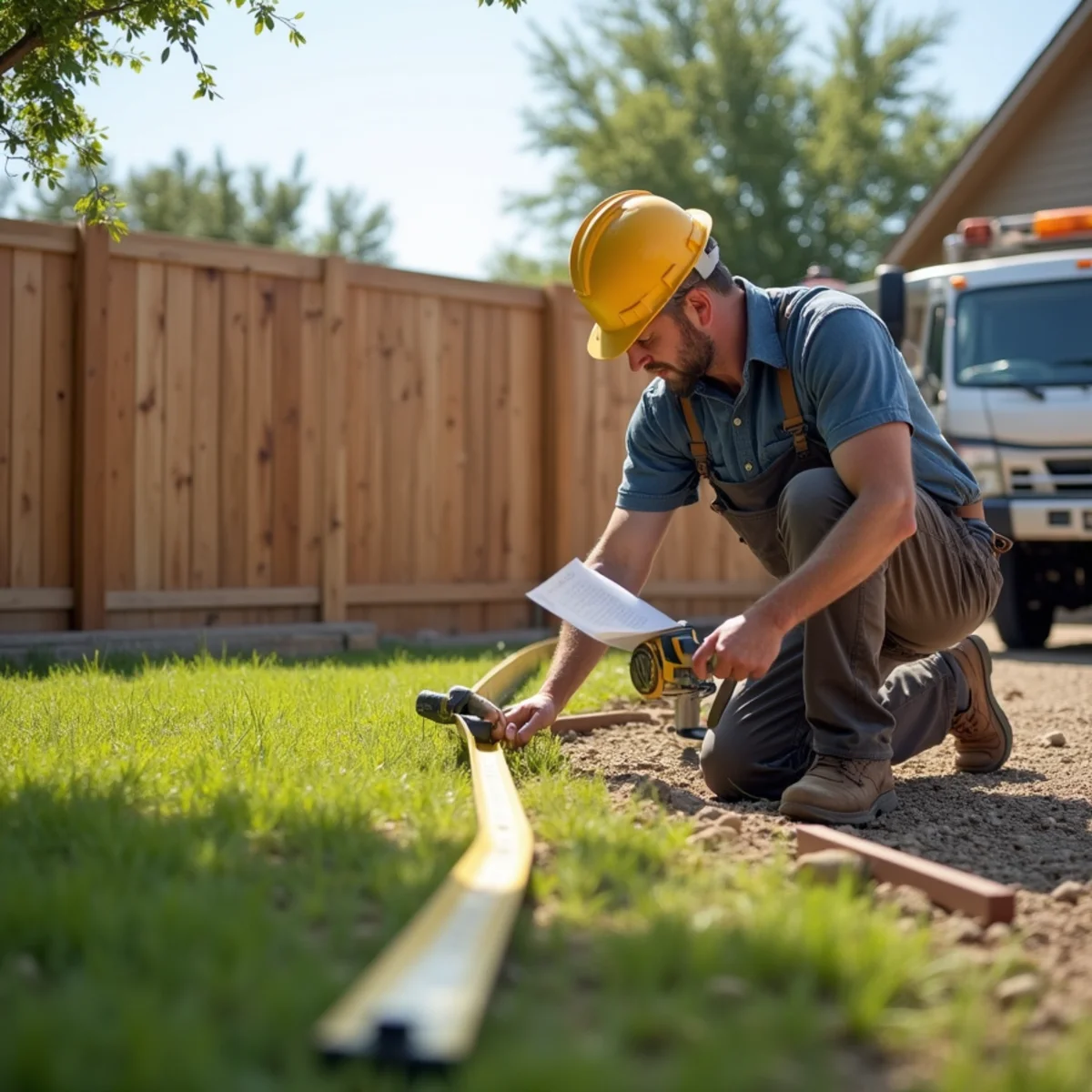
The only way to give you a fence price you can trust is to walk the line with you. We measure the run, check for rock, note corners, slopes, and gate locations, discuss cedar versus pine and steel versus wood, and confirm property lines and any HOA requirements before we quote. That way the number we hand you is the number you pay.
Oakwood Landscaping is BBB Accredited, licensed, and insured, and we build cedar privacy fences on galvanized steel posts as our standard so your fence stands up to Texas wind and soil movement. We will also flag anything about your property, like drainage or an old fence line, that could affect the new build.
For a free on-site measurement and a clear, itemized design quote, call Oakwood Landscaping at (323) 606-0255. We will help you choose the right materials for your budget and give you a fence built to last in Williamson County ground.
Get Expert Help
Oakwood Landscaping can handle this for you across Round Rock and Central Texas. Explore the services in this guide: