DIY vs Pro· 7 min read· Updated
The Hidden Pitfalls of DIY Sprinkler System Installation
The DIY sprinkler mistakes that cost the most in Central Texas - misjudged flow and pressure, mixed heads, shallow trenching in rock, and skipping legally required backflow.
By the Oakwood Landscaping team · Reviewed by Emmanuel Heredia Sanchez, Owner & TCEQ Licensed Irrigator
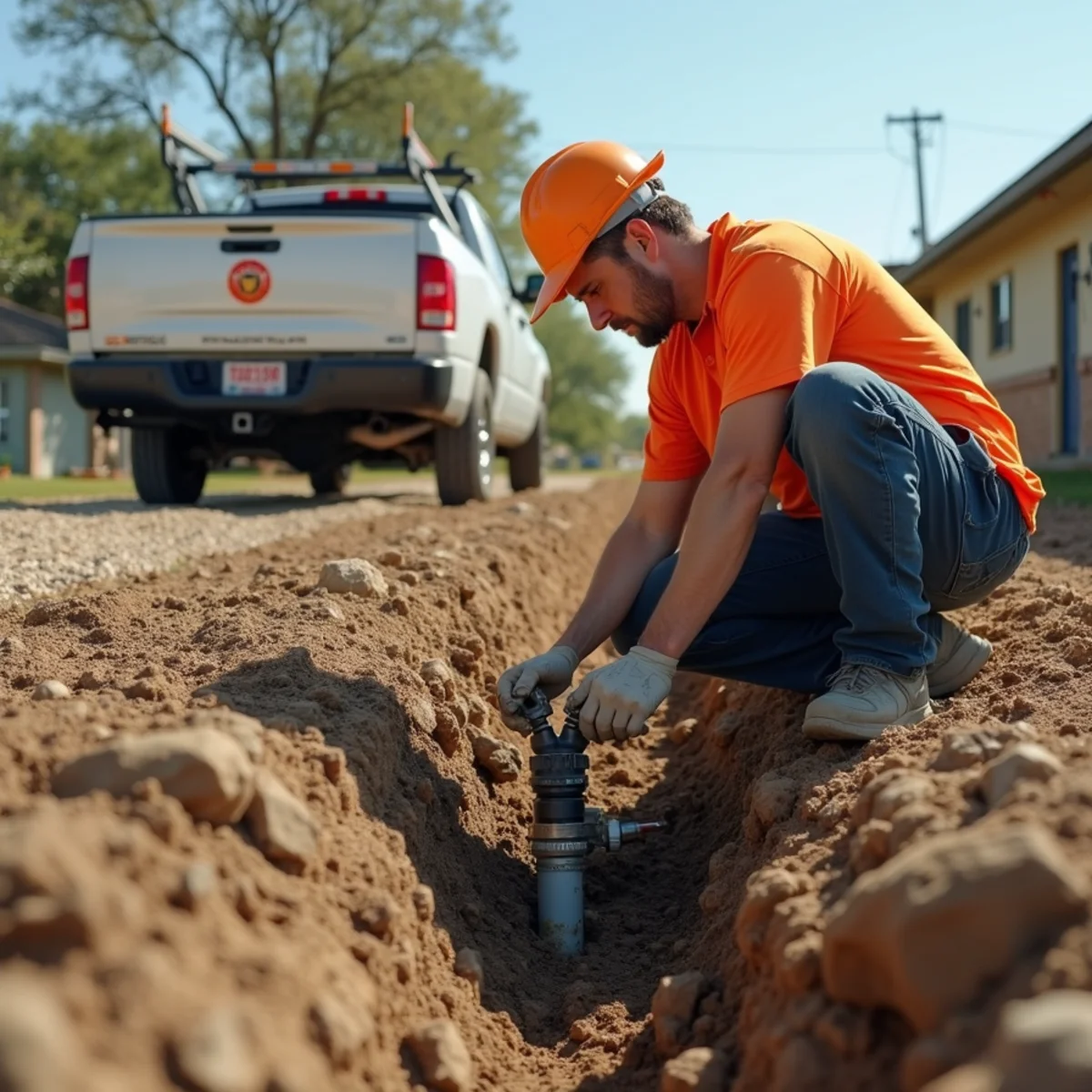
A DIY sprinkler system looks like a straightforward weekend project - dig some trenches, glue some pipe, screw in some heads. The parts are cheap and the tutorials make it look simple. What the tutorials leave out is that irrigation is a hydraulic system governed by physics and, in Texas, by law. Get the water math wrong or skip the required backflow protection and you end up with dry spots, wasted water, a torn-up yard, and potentially a code violation.
This is a plain-spoken look at the mistakes that turn a DIY sprinkler project from a savings into an expensive redo. None of them are obvious until the system is buried and running - and by then, fixing them means digging the whole thing back up. If you are weighing doing it yourself, read this first so you know exactly what you are taking on.
Mistake 1: Miscalculating Water Meter Flow Rate (GPM) and Static PSI
Every zone of a sprinkler system is limited by how much water your house can actually deliver - your available flow rate in gallons per minute (GPM) and your static water pressure in pounds per square inch (PSI). These are the two numbers the entire design is built on, and DIYers routinely guess at them instead of measuring. Guess high and you design zones that starve the moment they turn on.
The symptom is classic: heads that dribble instead of spray, coverage that looks fine on paper but leaves dry arcs, and a system that cannot run the number of heads per zone the box promised. Because flow and pressure are set at the meter, you cannot fix an over-designed zone after the fact without re-plumbing it - which means digging it up.
A professional starts by measuring your actual static pressure and calculating available GPM at the meter, then sizes each zone so it never asks for more water than the house can supply. It is unglamorous math, but it is the difference between even coverage and a system that never quite works.
Mistake 2: Mixing Head Types on the Same Zone (Rotary vs Spray Mismatch)
Different sprinkler heads apply water at very different rates. Fixed spray heads throw a lot of water fast over a short distance; rotary heads apply water slowly over a larger area. They have completely different precipitation rates, which is why they must never be mixed on the same zone - a cardinal rule DIYers break constantly because the heads all thread into the same fittings.
When you mix them, one part of the zone gets far more water than the other for the same run time. Set the timer to satisfy the rotors and the spray areas drown; set it for the sprays and the rotor areas stay dry and brown. There is no run time that waters both correctly, so the zone is permanently compromised. In a region with strict watering windows and drought restrictions, that inefficiency wastes water you are not even allowed to freely use.
Proper design groups heads by type and by the plants and sun exposure they serve, so every head on a zone applies water at a matching rate. It is a basic principle that is easy to get wrong when you are just filling in coverage gaps at the hardware store.
Mistake 3: Trenching Too Shallow in Rocky Central Texas Bedrock
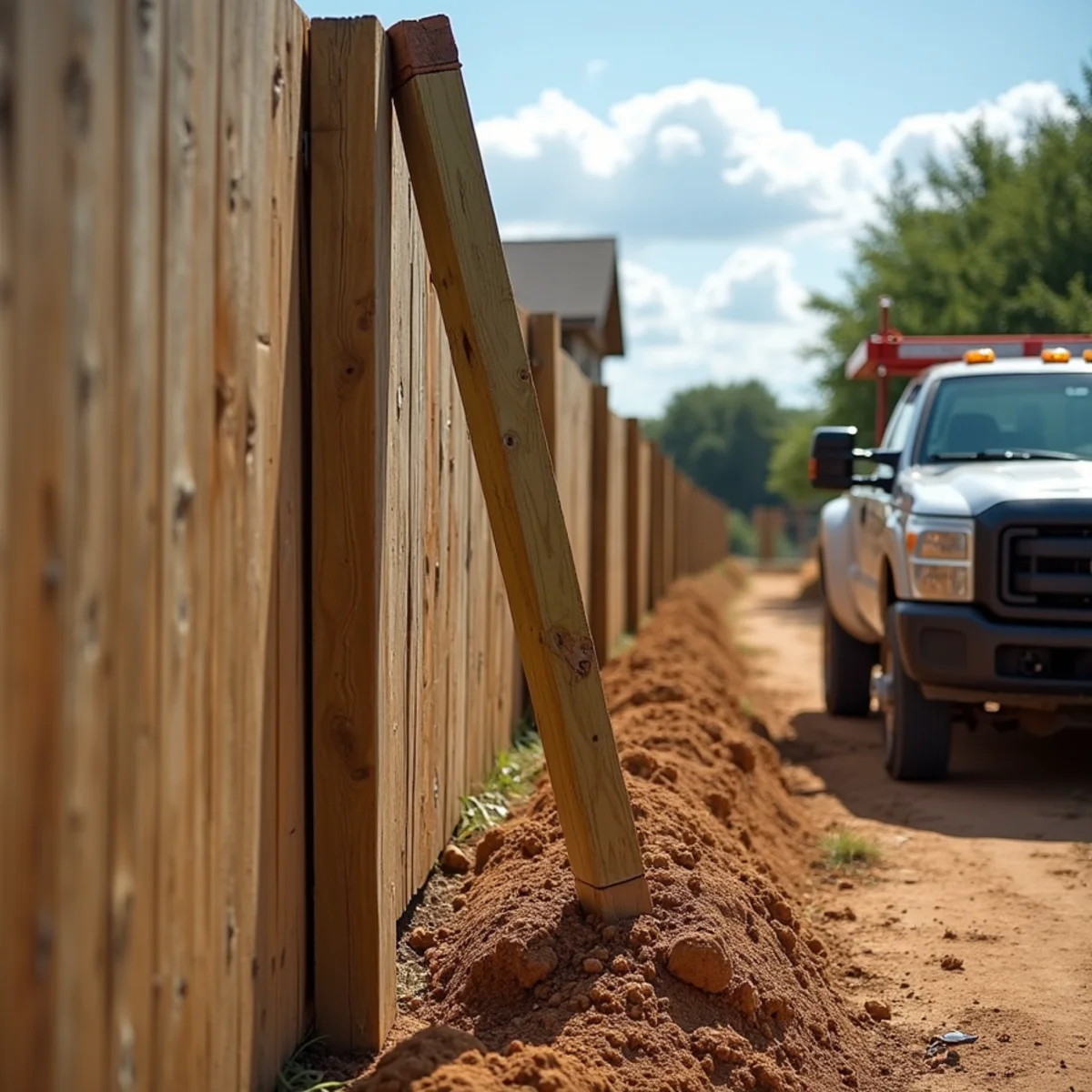
Digging trenches for pipe is hard enough in Blackland clay; in the parts of Central Texas underlain by shallow Hill Country limestone, you can hit solid rock inches down. Faced with bedrock, DIYers do the understandable thing - they lay the pipe shallower than it should be, or route it awkwardly to avoid the rock. Both create problems.
Pipe set too shallow is vulnerable to damage from aeration, edging, foot traffic, and the freeze-thaw cycles of a Central Texas winter, where a hard freeze can burst an inadequately buried line. Shallow lateral lines and poorly seated heads also lead to uneven grade and pooling. In rocky ground, getting the pipe to proper, consistent depth can require rock saws or specialized trenching equipment most homeowners do not have.
Professionals plan the routing around known rock, use the right equipment to reach proper depth, and set heads flush and stable so they survive mowers and traffic. Skimping on depth is the kind of shortcut that does not show until a freeze or a mower blade finds the pipe.
Mistake 4: Violating Texas TCEQ Law by Skipping Backflow Prevention
This is the mistake that turns a DIY project from a bad idea into a legal one. In Texas, landscape irrigation is regulated by the TCEQ under Title 30 of the Texas Administrative Code, Chapter 344. The rules require a properly installed backflow prevention assembly on every irrigation system connected to a potable water supply - and that assembly must be tested. Backflow prevention keeps contaminated water from your yard, where fertilizer, pesticides, and pet waste live, from being siphoned back into your drinking water and the public supply.
TCEQ rules also generally require that irrigation systems be installed under the responsibility of a licensed irrigator, and that backflow assemblies be tested by a licensed tester - typically on installation and then annually. A DIY system with no backflow device, or an untested one, is both a public health hazard and out of compliance. Many cities, including through Round Rock's water services, enforce backflow testing and can flag systems that lack it.
This is not red tape for its own sake. A backflow event can contaminate an entire neighborhood's water. It is also the single hardest part of the project to retrofit correctly after the fact, which is why doing it right - and legally - from the start matters.
- Texas regulates irrigation under TCEQ Title 30 TAC Chapter 344.
- A tested backflow prevention assembly is required to protect the potable water supply.
- Backflow assemblies generally require annual testing by a licensed tester.
- Systems typically must be installed under a licensed irrigator's responsibility.
The High Cost of Digging Up a Botched Lawn to Fix Buried Leaks
The cruelest part of a botched DIY irrigation system is that the mistakes are invisible until the whole thing is buried and the sod is back down. A glued joint that leaks, a starved zone, a mismatched head, a line nicked during backfill - none of it shows until you run the system and watch a wet spot bloom in the lawn or a zone underperform. And by then, diagnosing it means trenching back through the yard you just finished.
Repairing a buried leak often means cutting through established sod, excavating to find the exact failure, fixing it, and re-sodding the scar - repeatedly, if there are several problems. Homeowners frequently spend more calling in a pro to find and fix DIY mistakes than a professional install would have cost in the first place, plus the cost of replacing damaged landscaping. The upfront savings evaporate fast.
The systems that are cheapest to own are the ones designed and installed correctly once, with pressure-tested lines and documented zone layouts so future service is quick. That is exactly what a professional install is buying you - not just the labor, but the absence of buried surprises.
Hire Licensed Professionals at Oakwood Landscaping
A sprinkler system is a hydraulic and regulated project, not a weekend woodworking job. Oakwood Landscaping designs and installs irrigation under the direct responsibility of owner Emmanuel Heredia Sanchez, a TCEQ Licensed Irrigator, so your system is sized to your real flow and pressure, zoned with matched heads, trenched to proper depth, and installed with tested, code-compliant backflow protection from day one.
That means even coverage, lower water bills, a system that passes inspection, and no buried surprises. If you want it done right the first time and legal the whole time, call Oakwood Landscaping at (323) 606-0255 for a free estimate.
Get Expert Help
Oakwood Landscaping can handle this for you across Round Rock and Central Texas. Explore the services in this guide: