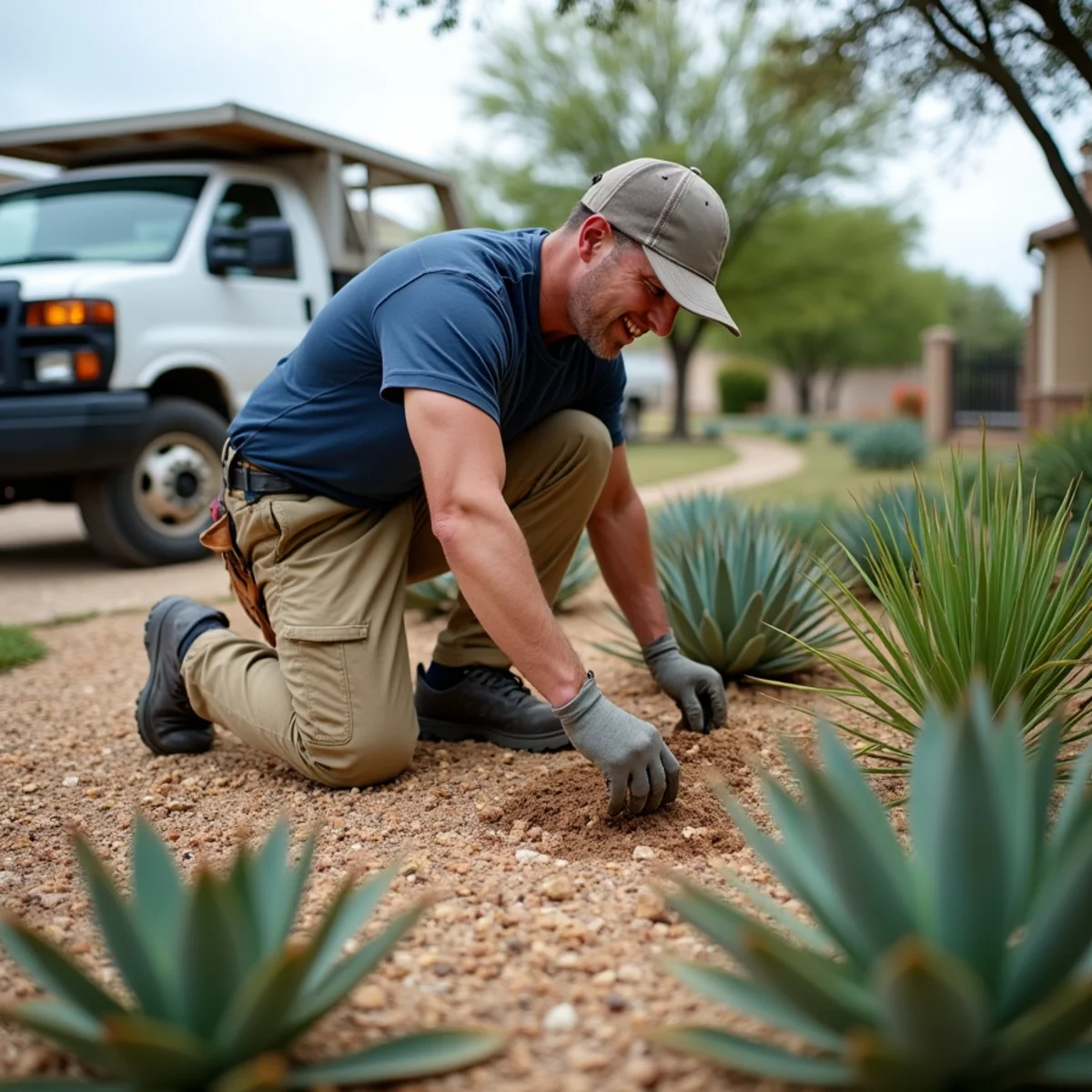
Reducing turf, adding mulch and drip irrigation, and choosing the right plant for each spot cuts water bills, lowers maintenance, and gives you a yard that doesn't collapse in August.
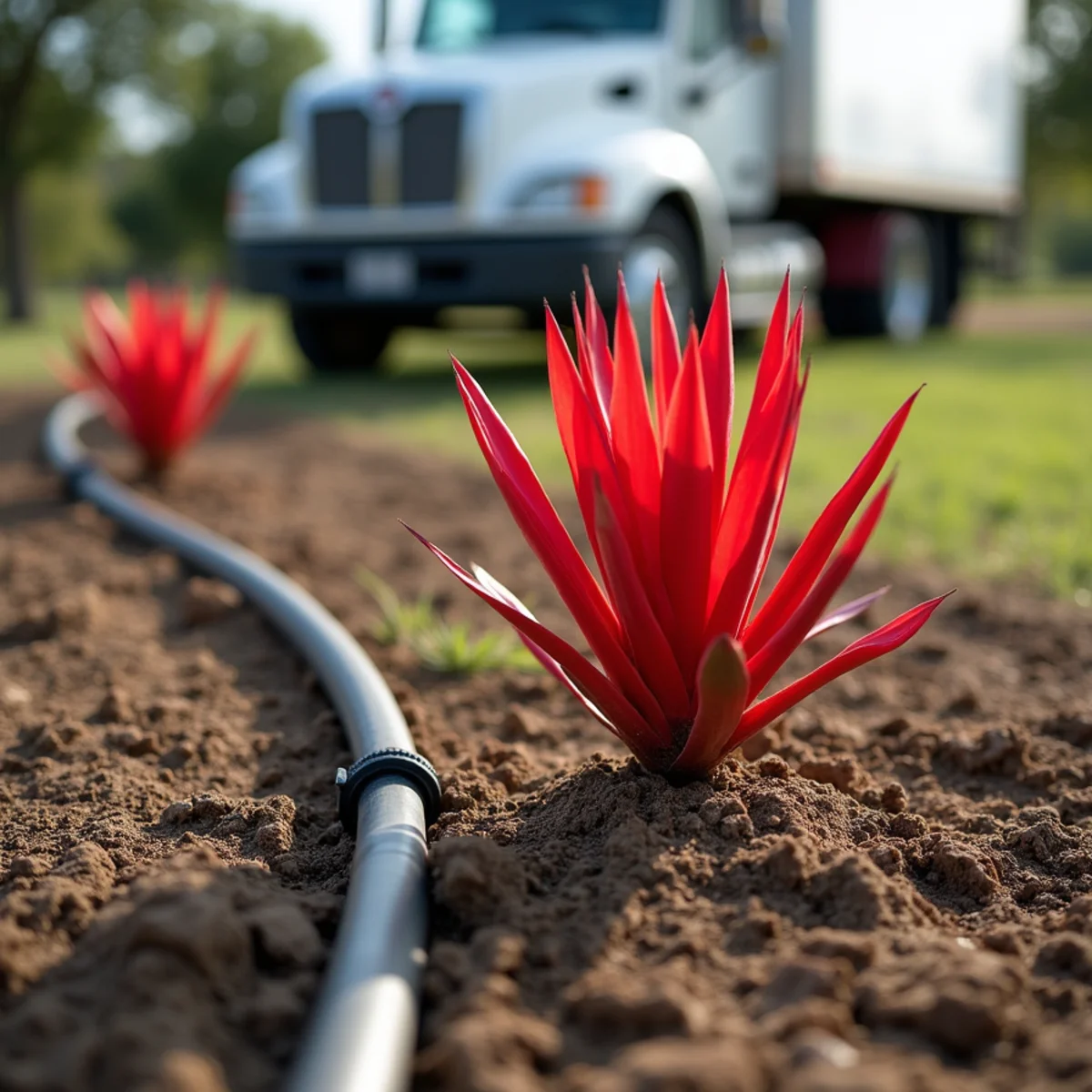
Great fits for native landscaping
- High summer water bills from a thirsty lawn
- Turf that fails every year in shade or rocky spots
- Wanting lower-maintenance, water-wise beds
- Slopes and hell-strips where grass won't grow
- A desire for color and pollinators without the water
- Converting part of the lawn to xeriscape
Our water-wise design and install process
We evaluate the site first — sun, shade, soil, slope, and how you use each area — then design planting zones that group species by water need and put the right plant in the right place. Reducing turf to the areas you actually use, and replacing the rest with native beds, decomposed granite paths, and mulch, is where the big water savings come from.
We prepare beds properly for rocky Central Texas ground, install efficient drip irrigation instead of wasteful spray, mulch to hold moisture, and select a plant palette for year-round interest and pollinators. Everything is chosen to fit Round Rock's watering windows and drought stages, so the landscape stays healthy and compliant.
- Site evaluation and hydrozone planning
- Turf reduction with native beds and DG paths
- Proper bed prep for rocky soil
- Efficient drip irrigation, not spray
- Mulch to retain moisture
- Year-round native/adapted plant palette
Plants that thrive here
A well-designed native landscape isn't a gravel desert — it's layered color and texture from plants that shrug off heat. Texas Sage brings silvery foliage and purple blooms, Red Yucca and agave add architectural structure, salvias and lantana feed pollinators, and native grasses give movement and softness. Trees and shrubs are chosen for the site's light and soil.
Because these plants are adapted to Central Texas, they establish faster, need less water once rooted, and survive drought stages that brown out conventional turf — which is exactly why they're the smart long-term choice here.
Native landscaping and drought-stage restrictions
Round Rock moves through drought stages that tighten how often you can water, and conventional turf lawns suffer most when those restrictions hit. Native and adapted plants are the opposite: once established, Texas Sage, Red Yucca, agave, salvias, and native grasses thrive on the reduced watering that stresses St. Augustine and Bermuda, so your landscape stays healthy while staying compliant.
The savings are real, and they compound. EPA WaterSense guidance shows water-smart landscaping meaningfully lowers outdoor demand, which is the largest part of a summer water bill here. New native plantings still need regular water through their first season to root in — and during a drought stage that may call for a new-landscape watering variance, which we help you request. After establishment, the drip irrigation and mulch we install carry the beds through the hottest, driest stretches with minimal input.
What Affects the Cost
We don't post fake prices — every job is different. Here's what goes into an honest, written estimate:
- Size of the area being planted or converted
- Turf removal and bed preparation
- Plant sizes and quantities
- Drip irrigation installation or conversion
- Mulch, decomposed granite, and edging
- Any hardscape or boulders integrated into the design
Native installs are quoted after a design consultation. The water and maintenance savings compound every year the landscape is in the ground.
Why Round Rock Homeowners Choose Oakwood for Texas Native Drought-Tolerant Landscaping
Plenty of contractors will quote this work. Here's what you get with a licensed local crew that does it every week across Central Texas:
- We group plantings into hydrozones by water need, putting the right native in the right spot to cut waste.
- Turf is reduced to the areas you actually use and replaced with native beds, DG paths, and efficient drip.
- Plant palettes are chosen to thrive within Round Rock's watering windows and drought stages year-round.
- Licensed, insured, BBB Accredited, with roughly 15 years of Central Texas planting experience.
Texas Native Drought-Tolerant Landscaping Across Round Rock & Central Texas
We're based in Round Rock and provide texas native drought-tolerant landscaping throughout Williamson and Travis counties and the surrounding region — from Round Rock, Pflugerville, Georgetown, Cedar Park, Hutto, and Brushy Creek. Because we know each area's soil, drainage, and code, the work is engineered for your specific property — not a generic template. See every community we cover on our service areas page, or call (323) 606-0255 for a free on-site estimate.