Problem & Diagnosis· 6 min read· Updated
Why Is My Lawn Turning Brown? Diagnosing Central Texas Grass Woes
A practical diagnostic for a browning Central Texas lawn, distinguishing underwatering, grubs, chinch bugs, fungal disease, and iron chlorosis.
By the Oakwood Landscaping team · Reviewed by Emmanuel Heredia Sanchez, Owner & TCEQ Licensed Irrigator
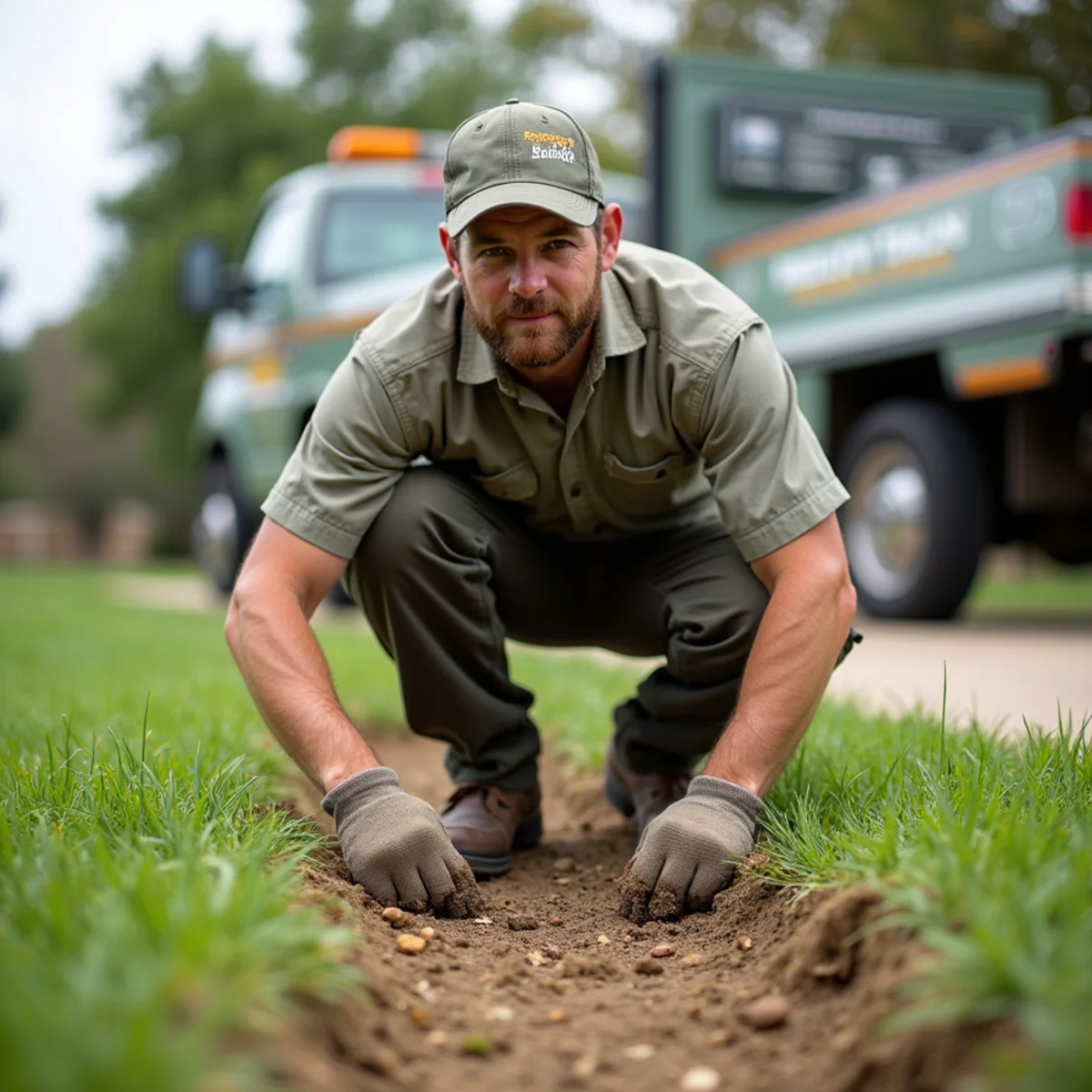
A browning lawn is a puzzle, because half a dozen very different problems all end the same way: with dead or dying grass. Pouring on more water when the real cause is a fungus, or spraying for bugs when the grass is simply thirsty, wastes money and can make things worse. The fix starts with an honest diagnosis.
In Central Texas, the usual suspects are a short list: not enough or too much water, grub worms feeding on the roots, chinch bugs sucking the life out of sunny patches, fungal diseases that thrive in our humid spells, and iron chlorosis brought on by our alkaline soils. Each has telltale signs if you know where to look.
This guide walks through how to tell them apart, starting with the simplest test and working through the pests, diseases, and soil issues common to Round Rock and Austin lawns. Correctly identifying the culprit is what turns a browning lawn back to green.
Underwatering vs Overwatering: Performing the 'Screwdriver Test'
Before blaming pests or disease, rule out water, because it is the most common cause and the easiest to check. The screwdriver test is exactly what it sounds like: push a long screwdriver into the lawn. If it slides in six inches with little resistance, the soil has good moisture; if it stops short and takes real force, the ground is dry and your grass is likely thirsty.
Underwatered grass turns a dull blue-gray before it browns, footprints linger instead of springing back, and the browning is often worst in the sunniest, most exposed areas. This pattern is common in a hot Central Texas summer, especially under watering restrictions, and the fix is deeper, less frequent watering within your allowed days and windows rather than light daily sprinkles.
Overwatering causes its own browning, which fools people into adding still more water. Constantly soggy soil suffocates roots and invites fungus, and the grass thins and yellows in the wettest, lowest areas. The screwdriver test plus noticing whether the bad spots are dry-and-exposed or soggy-and-low usually tells you which direction you have gone.
- Push a screwdriver in: easy to six inches means moist, hard means dry.
- Underwatered grass looks blue-gray and holds footprints.
- Underwatering hits sunny, exposed areas first.
- Overwatering thins and yellows the wettest, lowest spots.
- Water deeply and less often within your allowed days.
Grub Worm Infestation: Spongy Turf That Lifts Like a Carpet
White grubs are the larvae of beetles, and they live in the soil eating grass roots. Because they destroy the roots, grub-damaged turf has a distinctive signature: it feels spongy underfoot and, in bad infestations, you can grab a patch of brown grass and roll it back like a loose carpet, because there are no roots holding it down.
The browning from grubs shows up in irregular patches that expand over weeks, often in late summer and fall as the larvae grow and feed heavily. You may also notice more birds, or armadillos and skunks, digging up the lawn, because they are after the grubs, and that digging is itself a strong clue.
To confirm, cut a square foot of sod at the edge of a dying patch and fold it back to look for the C-shaped white larvae in the top few inches of soil. A few are normal; finding several per square foot points to grubs as the cause and calls for targeted treatment timed to the pest's life cycle rather than random spraying.
Chinch Bugs: Rapidly Expanding Yellowing Patches in Direct Sunlight
Chinch bugs are a classic St. Augustine problem in Central Texas, and they love heat. They pierce the grass and suck out its fluids while injecting a toxin, and the damage looks like yellowing, then browning patches that spread outward, almost always starting in the hottest, sunniest, driest parts of the lawn, often near sidewalks and driveways that radiate heat.
The tell is that chinch bug damage looks like drought damage but does not respond to watering. If you have a spreading yellow-brown patch in full sun and adding water does not help, chinch bugs are a prime suspect. The damage expands fast in peak summer heat, which distinguishes it from slower problems.
You can check by parting the grass at the edge of a green-to-brown boundary and watching for small, fast-moving insects at the soil line; the adults are tiny with black-and-white wings. Because they concentrate at the healthy edge of the damage, that boundary is where to look, and confirming them there guides the right treatment.
Fungal Take-All Root Rot vs Large Patch in St. Augustine Lawns
Our humid, wet spells set up fungal diseases, and two are common in St. Augustine here. Large patch, formerly called brown patch, appears in cool, wet conditions of spring and fall as roughly circular patches of brown, thinning grass, sometimes with a yellowed ring at the edge; the blades pull loose easily at the base where the fungus has rotted the leaf sheath.
Take-all root rot is nastier and works underground, attacking the roots and stolons so the grass yellows, thins, and dies in irregular spreading areas, often through the warm season. Because it destroys roots, affected areas do not green up with fertilizer or water and can be slow and stubborn to recover, sometimes leaving bare ground.
Both are worsened by the same habits: overwatering, watering in the evening so grass stays wet overnight, and stressed, compacted soil. Correct diagnosis matters because the cultural fixes, such as watering in the morning within your allowed window and improving drainage, are as important as any fungicide, and treating the wrong disease wastes time while it spreads.
Caliche Soil Iron Chlorosis: Treating Pale Lime-Green Blades
Not all yellowing is a pest or disease. Central Texas soils are often alkaline, and in areas with caliche, a hard, lime-rich layer, the high pH locks up iron so the grass cannot take it in. The result is iron chlorosis: blades that turn pale lime-green to yellow while the veins may stay slightly greener, typically across broad areas rather than in expanding patches.
The pattern is the clue. Iron chlorosis is a general paleness of otherwise intact grass, not a spreading dead patch, and it often shows up worse in new sod or in spots where builders left caliche near the surface. The grass is not dying of a pest; it is starving for a nutrient it cannot access because of the soil chemistry.
Treatment addresses the soil and the grass together: iron supplements can green it up in the short term, but the lasting improvement comes from managing soil pH and building organic matter so nutrients become available. Because the underlying cause is the soil, a chlorosis problem tends to recur without addressing the ground itself, which is why it is worth diagnosing correctly.
Book a Lawn Diagnostic and Soil Revitalization with Our Team
Because so many different problems produce brown grass, the most valuable thing is an accurate diagnosis before spending money on treatments. Reading the pattern, checking the soil and roots, and looking for the actual pest or fungus is what points to the right fix instead of a guess that wastes a season.
Oakwood Landscaping is BBB Accredited, licensed, and insured, and we diagnose lawn problems the way they should be diagnosed, on site, looking at the real evidence. From correcting irrigation coverage and scheduling, to soil revitalization, to installing heat-hardy sod where turf is beyond saving, we address the cause. For persistent pest or disease questions, we also point homeowners to resources like Williamson County AgriLife Extension.
If your lawn is turning brown and you are tired of guessing, call Oakwood Landscaping at (323) 606-0255 to book a lawn diagnostic. We will tell you what is actually wrong and lay out the most cost-effective path back to a green, healthy yard.
Get Expert Help
Oakwood Landscaping can handle this for you across Round Rock and Central Texas. Explore the services in this guide: