Permits & Compliance· 7 min read· Updated
Austin & Round Rock Fence Height Codes and HOA Setback Rules
A practical guide to fence rules in Round Rock and Austin - height limits by yard, when permits are required, corner-lot sight triangles, HOA approval, and easement setbacks.
By the Oakwood Landscaping team · Reviewed by Emmanuel Heredia Sanchez, Owner & TCEQ Licensed Irrigator
Building a fence is one of the few home projects where you can do everything right structurally and still be forced to tear it down - because it broke a rule you did not know existed. Between city codes, corner-lot sight requirements, utility easements, and HOA architectural rules, a fence has to satisfy several sets of regulations before the first post goes in the ground.
This guide covers how those rules generally work in the Round Rock and Austin area: typical height limits for front versus back yards, when a building permit comes into play, the sight-triangle rules that govern corner lots, how HOA architectural review works, and why easements and setbacks dictate where a fence can legally sit. Codes and HOA rules vary by jurisdiction and community and change over time, so treat this as an orientation and verify specifics with the City of Round Rock or City of Austin and your own HOA before building.
Maximum Allowable Fence Heights for Backyard vs Front Yard Fencing
Fence height rules almost always distinguish between front yards and back yards, and for good reason - front-yard fences affect the streetscape, visibility, and neighborhood character, so they are held to lower height limits than backyard privacy fences. A typical pattern in Central Texas cities allows taller solid fencing in the rear and side yards while limiting front-yard fences to a lower height, often with openness requirements so a front fence cannot be a solid tall wall.
Backyard privacy fences are commonly allowed at a standard privacy height, while front-yard fences are capped lower and may need to be more open in style. The exact numbers and how the city defines front, side, and rear yards vary between Round Rock and Austin and can depend on your zoning, so the specific limit for your lot is something to confirm rather than assume.
Getting this wrong is a common and avoidable mistake - a homeowner builds a tall solid fence too far forward on the lot and runs afoul of front-yard limits. Knowing where your yard transitions from front to side to rear, and what height applies to each, is the starting point for a compliant fence.
The 6-Foot vs 8-Foot Rule and When City Building Permits Are Required
Many jurisdictions treat a certain height as the threshold where a fence goes from by-right to requiring a permit or additional review. A six-foot privacy fence is a common standard height that often falls within what is broadly allowed for rear and side yards, while going taller - to eight feet, for instance - frequently triggers a building permit, engineering considerations, or specific approval because taller fences carry more structural and wind-load demand.
Whether and when a permit is required depends on the city and the specifics of the project, and the rules differ between Round Rock and Austin. Some fence work is exempt; other work - particularly taller fences, fences near the right-of-way, or masonry and retaining elements - may require a permit. Building a fence that needed a permit without one can mean stop-work orders, fines, or removal.
The safe approach is to confirm the permit requirement for your specific height, location, and materials with the city before building. A licensed contractor who works in these jurisdictions regularly knows when a permit applies and handles it as part of the job, which removes the guesswork and the risk.
- Six-foot privacy fences often fall within standard allowances for rear and side yards.
- Taller fences, such as eight feet, frequently trigger permits or added review.
- Permit rules differ between Round Rock and Austin - confirm for your specific project.
- Masonry, retaining, and right-of-way-adjacent work is more likely to need a permit.
Corner Lot Sight-Triangle Regulations to Prevent Traffic Hazards
Corner lots carry an extra rule that trips up many homeowners: the sight triangle, sometimes called a visibility or clear-sight triangle. At street corners and driveway intersections, cities require a triangular area to be kept clear of visual obstructions above a low height, so that drivers can see approaching traffic and pedestrians. A tall fence built into this triangle creates a blind corner and a real traffic hazard.
In practice, this means a corner-lot fence often has to step down to a lower height or be set back within the sight triangle, even if a taller fence would be allowed elsewhere on the lot. The dimensions of the triangle and the maximum obstruction height are defined by the city and are strictly enforced because they are a safety issue.
If you are on a corner lot, the sight triangle is one of the first things to check, because it can significantly change your fence design near the street. A contractor familiar with local requirements will lay out the fence to respect the triangle so you are not ordered to cut down a section after the fact.
Navigating HOA Architectural Review Committee (ARC) Approval Protocols
In the many Round Rock and Austin-area neighborhoods governed by an HOA, city code is only half the picture - the HOA's own rules, enforced through an Architectural Review Committee (ARC) or architectural control committee, often impose stricter or more specific requirements. HOAs commonly dictate fence material (frequently cedar), style, height, stain color, and even which side of the pickets faces out, all to maintain a consistent look across the community.
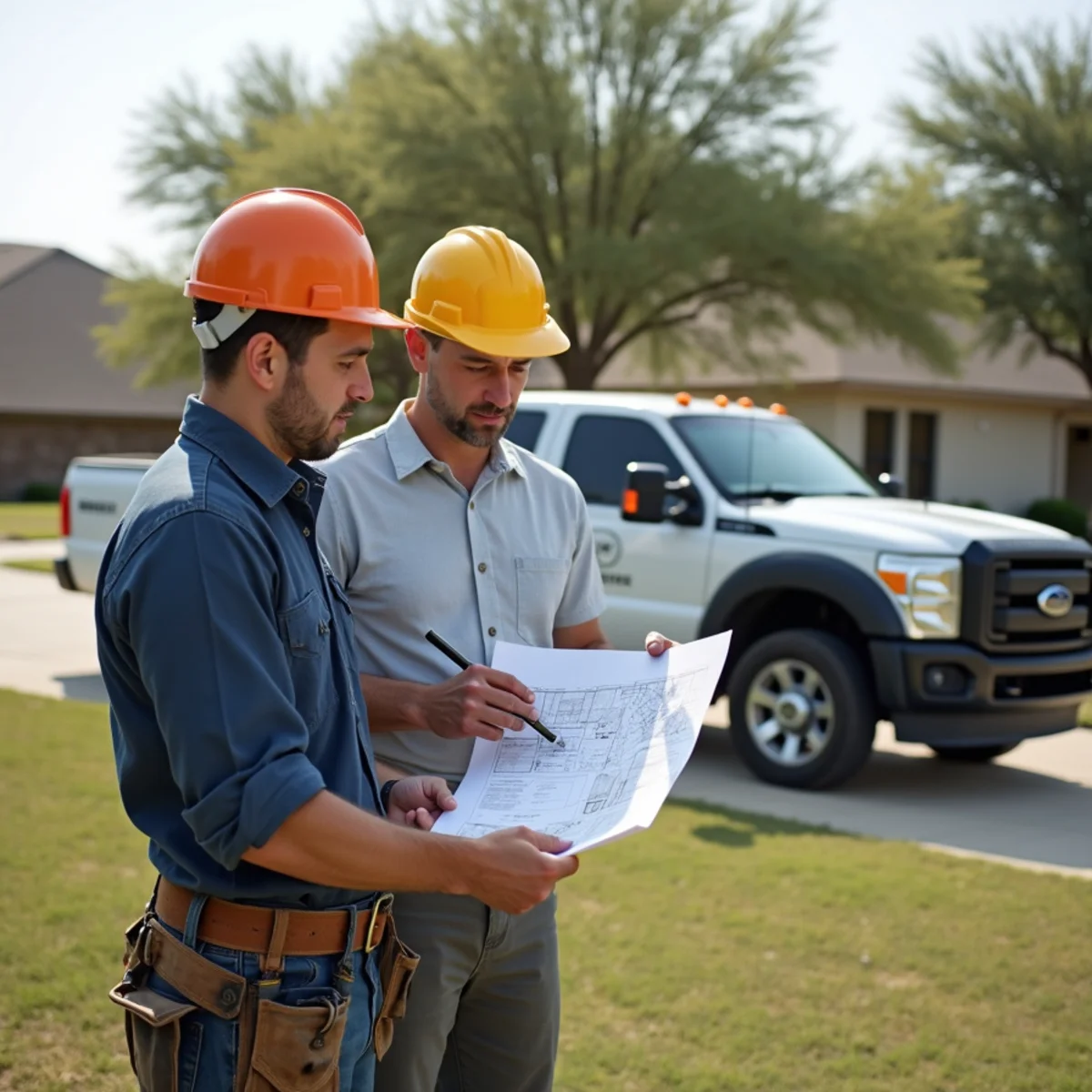
The critical step is that most HOAs require you to submit plans and get written ARC approval before you build. Skipping this and building a non-compliant fence can force you to modify or remove it at your own expense, regardless of whether it met city code. The approval process takes time, so it needs to be built into the project schedule.
Because HOA rules vary widely from one community to the next and change over time, the only reliable source is your own HOA's current governing documents. We routinely prepare and submit ARC applications and build to HOA specifications, which keeps the project moving and compliant from the start.
Building Directly on Property Lines vs Setbacks from Drainage Easements
Where a fence sits relative to your property line and any easements is a legal question with expensive consequences if you get it wrong. Building right on a shared property line is common but should be based on an accurate survey, not a guess or an old fence that may itself have been misplaced - a fence over the line can trigger a neighbor dispute and a forced relocation.
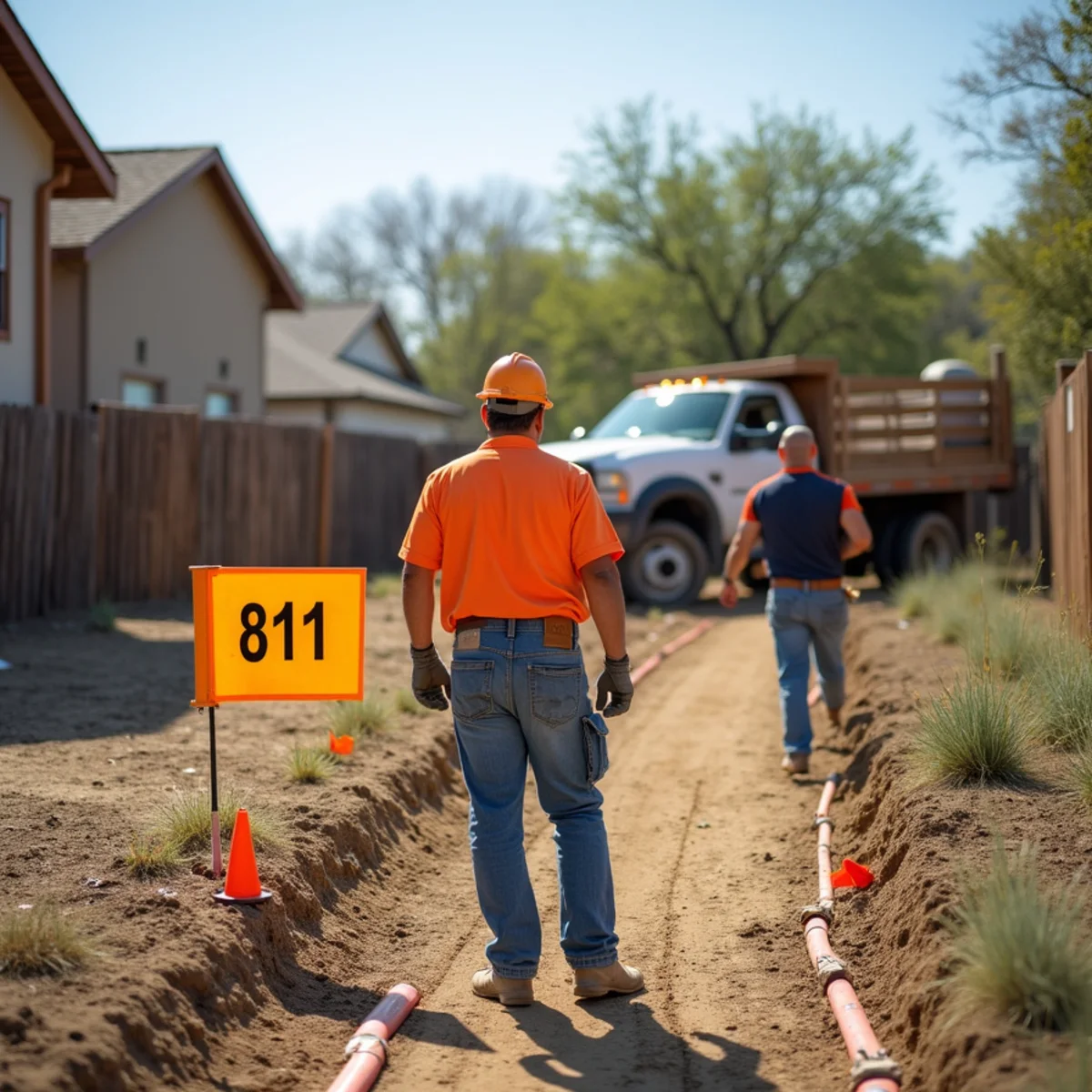
Easements are the bigger trap. Utility and drainage easements give the utility or the city the right to access that strip of land, and a fence built across one can be removed - without compensation - when access is needed, leaving you to rebuild. Drainage easements are especially important in Central Texas, which sits in Flash Flood Alley, where keeping drainage paths clear is a genuine flood-management concern. And before any post hole is dug, calling Texas811 to locate underground utilities is required by law.
The combination of survey verification, easement awareness, and a Texas811 locate is what keeps a fence legally and physically sound. These are exactly the details that DIY and unlicensed installs overlook and that end in costly do-overs.
Oakwood Landscaping Manages Permits, HOA Approvals and Precision Construction
A compliant fence has to clear city height and permit rules, corner-lot sight triangles, HOA architectural review, easements, and a Texas811 locate - all before it is built to last on Blackland clay. Oakwood Landscaping handles the whole picture: we confirm the applicable codes, prepare and submit HOA ARC applications, respect setbacks and easements, coordinate the utility locate, and build a straight, solid fence to spec.
Skip the risk of a fence you have to tear down. For code-compliant, HOA-approved, precisely built fencing in Round Rock, Austin, and the surrounding communities, call Oakwood Landscaping at (323) 606-0255 for a free estimate.
Get Expert Help
Oakwood Landscaping can handle this for you across Round Rock and Central Texas. Explore the services in this guide: