Permits & Compliance· 7 min read· Updated
Texas TCEQ Irrigation Laws: Backflow Testing Mandates Explained
A plain-English guide to Texas irrigation law - TCEQ Title 30 Chapter 344, what backflow is, annual testing of RPZ and double-check valves, and who can legally pull permits.
By the Oakwood Landscaping team · Reviewed by Emmanuel Heredia Sanchez, Owner & TCEQ Licensed Irrigator
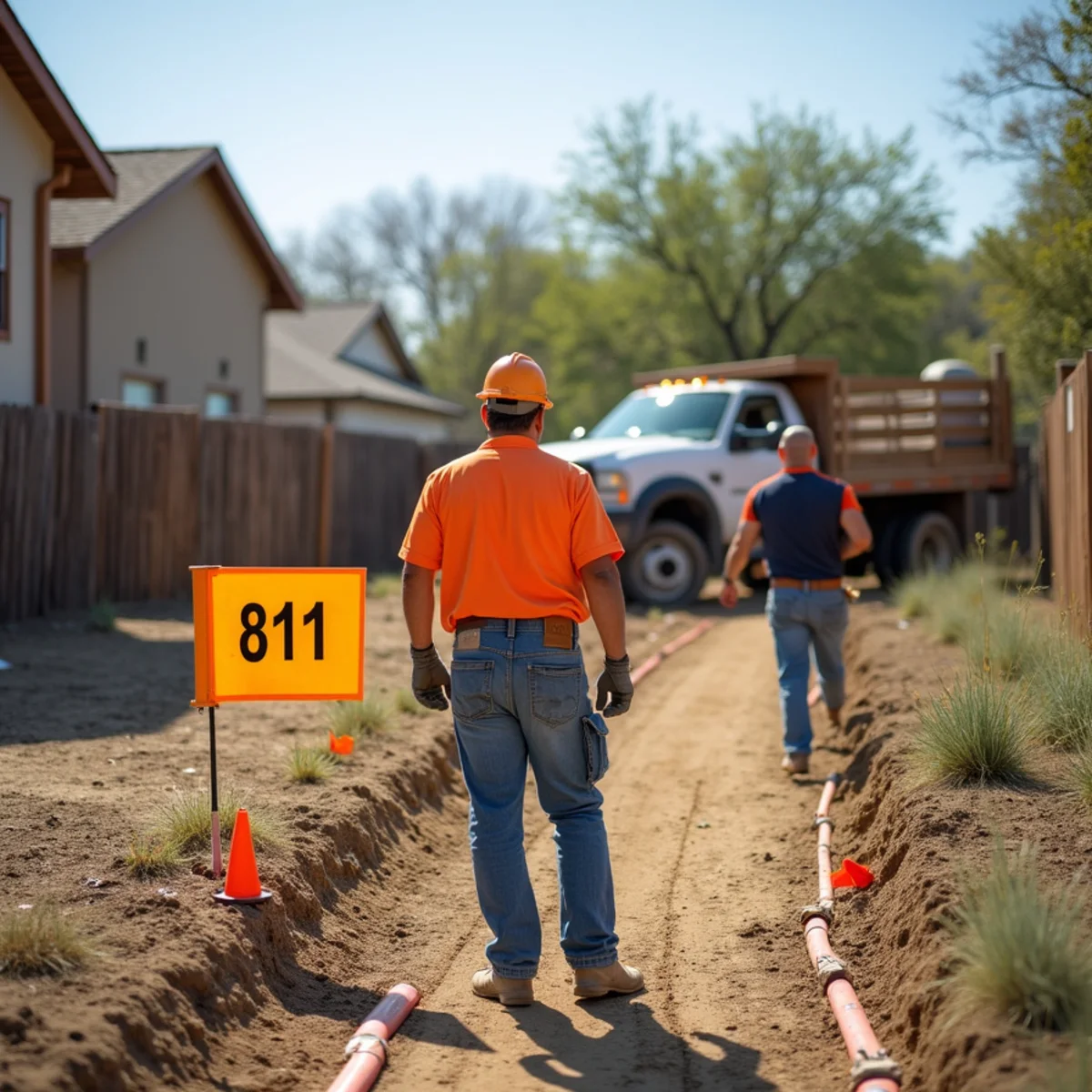
Irrigation in Texas is more regulated than most homeowners expect, and for good reason - a sprinkler system connects your lawn, where fertilizers, pesticides, and pet waste live, directly to the same pipes that carry your drinking water. To keep contaminated water from ever flowing backward into the public supply, the state sets firm rules about how systems are installed, who installs them, and how their safety devices are tested.
The framework is administered by the Texas Commission on Environmental Quality (TCEQ) under Title 30 of the Texas Administrative Code, Chapter 344. This guide explains, in plain language, why Texas regulates irrigation so strictly, what backflow actually is, the annual testing mandates for the valves that prevent it, who is legally authorized to install systems and pull permits, and how cities like Round Rock enforce it all. It is educational, not legal advice - always verify current specifics with TCEQ and your city.
Why Texas Strictly Regulates Landscape Irrigation (Title 30 TAC Chapter 344)
TCEQ's irrigation rules live in Title 30 of the Texas Administrative Code, Chapter 344, which sets statewide standards for the design, installation, and maintenance of landscape irrigation systems. The rules exist primarily to protect public health and the state's water resources - preventing cross-contamination of drinking water and reducing the enormous waste that poorly designed systems cause.
Because Texas ties irrigation directly into potable water supplies, a single unprotected system can put an entire neighborhood's water at risk. Chapter 344 addresses this by requiring proper backflow prevention, competent design, and licensed accountability, so that the person responsible for a system is trained and answerable to the state. It also sets standards that push toward water efficiency, which matters enormously in a drought-prone region.
For homeowners, the takeaway is that irrigation is not an unregulated DIY category in Texas. Whether you are installing new or servicing an existing system, the work falls under a real regulatory framework designed to protect both your water and your neighbors'.
What Is Backflow and How Contaminated Lawn Water Can Enter Tap Lines
Backflow is exactly what it sounds like - water flowing the wrong direction, backward from your irrigation system into the potable water pipes. Normally water flows one way, from the main into your system. But a pressure drop in the main - caused by a water main break, heavy demand like firefighting, or a pump failure - can create suction that pulls water back the other way. That is called back-siphonage.
The danger is what that reversed water carries. Sprinkler heads sit in soil laced with fertilizer, herbicides, pesticides, and animal waste. If backflow occurs without a preventer in place, that contaminated water can be siphoned into the drinking water lines - yours and, through the main, potentially your neighbors'. It is a genuine public health hazard, not a theoretical one.
A backflow prevention assembly is the mechanical barrier that stops this. It uses check valves and, in higher-hazard designs, a relief mechanism to ensure water can only ever flow one direction. Because it is a safety device with moving parts, it has to be tested to confirm it still works - which is where the annual testing mandate comes in.
Annual Testing Mandates for Double-Check and Reduced-Pressure-Zone (RPZ) Valves
There are different types of backflow assemblies for different hazard levels. A double-check valve assembly uses two independent check valves and is used for lower-hazard applications. A reduced-pressure-zone assembly - the RPZ - adds a pressure-monitored relief valve between two checks and provides the highest level of protection for higher-hazard situations. The type your system needs depends on its configuration and the hazard it presents.
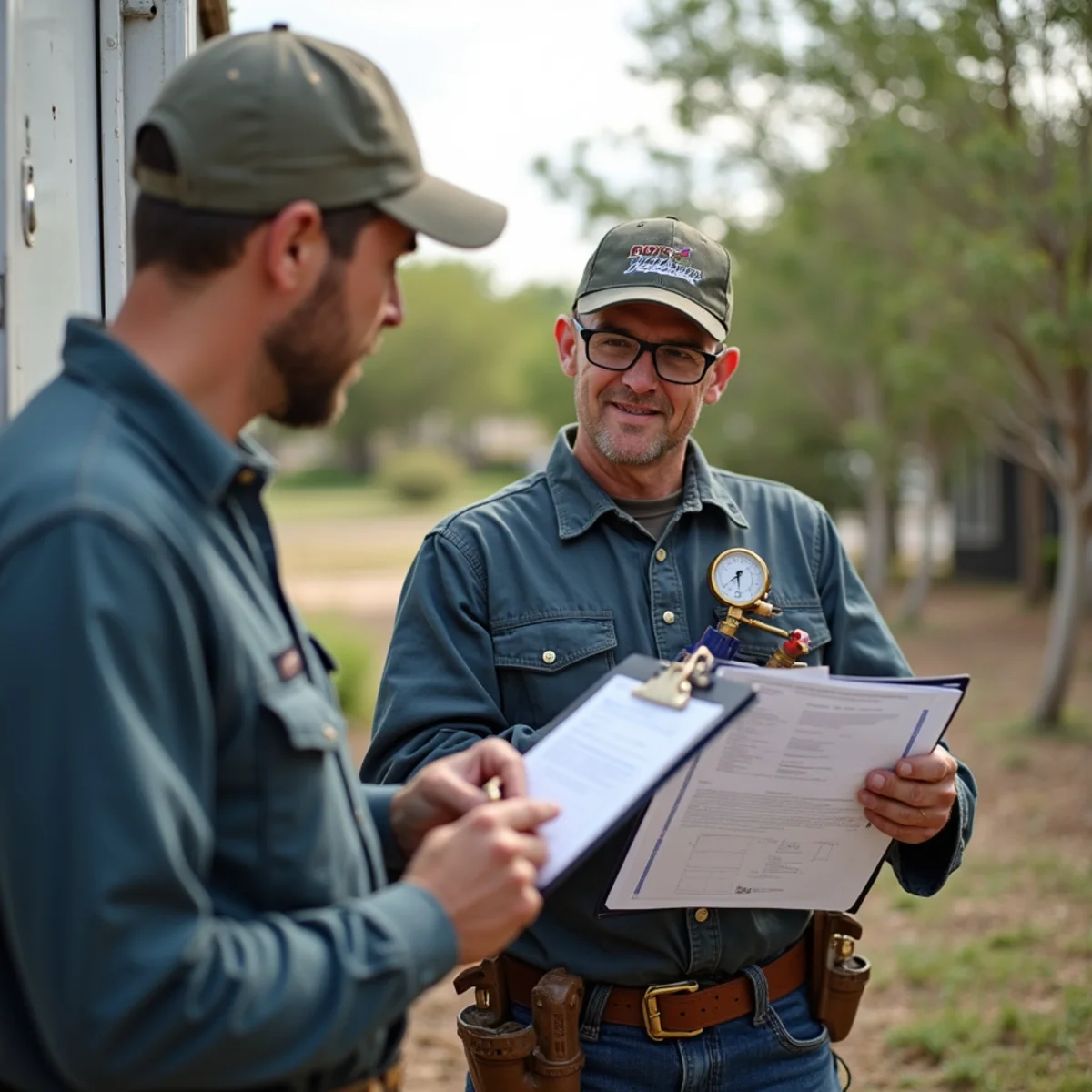
Because these assemblies have internal parts that can wear or fail, TCEQ rules require them to be tested to confirm they are functioning - typically on installation and then on a recurring basis, commonly annually. The test must be performed by a licensed backflow prevention assembly tester using calibrated gauges, and the results are reported to the water purveyor, such as the city. A failed assembly must be repaired or replaced to restore protection.
Missing the annual test is a common compliance gap. Homeowners often forget the device exists until the city sends a notice. Staying on top of the testing schedule keeps your system compliant and, more importantly, keeps the safety device that protects your drinking water actually working. Verify your specific testing interval with your water provider.
- Double-check valve assembly: two check valves, used for lower-hazard applications.
- RPZ assembly: two checks plus a relief valve, highest protection for higher-hazard systems.
- Testing is typically required at installation and on a recurring basis, commonly annually.
- Tests must be done by a licensed tester with calibrated gauges and reported to the water provider.
Licensed Irrigator Requirements: Who Is Legally Authorized to Pull Permits?
Under Texas rules, landscape irrigation systems generally must be installed, and their installation supervised, under the responsibility of a TCEQ Licensed Irrigator. The licensed irrigator is the professional the state holds accountable for the design and the code-compliant installation of the system - and is typically the party who pulls the required permits and signs off on the work.
This is not a mere formality. A licensed irrigator has demonstrated knowledge of hydraulics, backflow prevention, and the TCEQ rules, and carries the legal responsibility for doing the job right. Systems installed outside this framework - by an unlicensed handyman or a DIYer - can be out of compliance and may fail inspection, complicate a home sale, or require expensive correction later.
Oakwood Landscaping's owner, Emmanuel Heredia Sanchez, is a TCEQ Licensed Irrigator, which means our installations are designed and supervised by exactly the licensed professional the law requires. When you hire licensed, you are getting the accountability the state built the system around.
City of Round Rock Water Quality Enforcement and Inspection Protocols
On top of the state framework, cities administer and enforce backflow and irrigation requirements at the local level. The City of Round Rock, through its water services, tracks backflow assemblies connected to the public system and enforces the testing requirements - typically sending notices when a test is due and requiring proof that a passing test was performed by a licensed tester.
Cities can also require permits and inspections for new irrigation installations and may set additional local standards on top of the TCEQ baseline. Failing to keep a backflow assembly tested, or installing a system without the required permits and licensed involvement, can lead to enforcement action - and, because it is a water-quality issue, cities take it seriously.
The practical advice is to know that both the state and your city have a stake in your irrigation system, and to keep your documentation current. Requirements and schedules vary and change, so confirm the specifics with the City of Round Rock Water Services and TCEQ for your situation.
Schedule Your Certified Backflow Test with Oakwood Landscaping
Keeping your irrigation system compliant means two things: having it installed under a licensed irrigator, and keeping its backflow assembly tested by a licensed tester on schedule. Oakwood Landscaping handles both. We install code-compliant systems under a TCEQ Licensed Irrigator and perform certified backflow testing so your paperwork stays current with the City and your drinking water stays protected.
If your annual test is due, you got a notice from the city, or you are not sure whether your system is compliant, we can help. Call Oakwood Landscaping at (323) 606-0255 to schedule your certified backflow test or a system evaluation.
Get Expert Help
Oakwood Landscaping can handle this for you across Round Rock and Central Texas. Explore the services in this guide: