Emergency· 6 min read· Updated
Emergency Sprinkler Pipe Burst: How to Shut Off Your Mainline
Step-by-step emergency guidance for shutting off water when a sprinkler mainline bursts, from the isolation valve to the curb key at the city meter.
By the Oakwood Landscaping team · Reviewed by Emmanuel Heredia Sanchez, Owner & TCEQ Licensed Irrigator
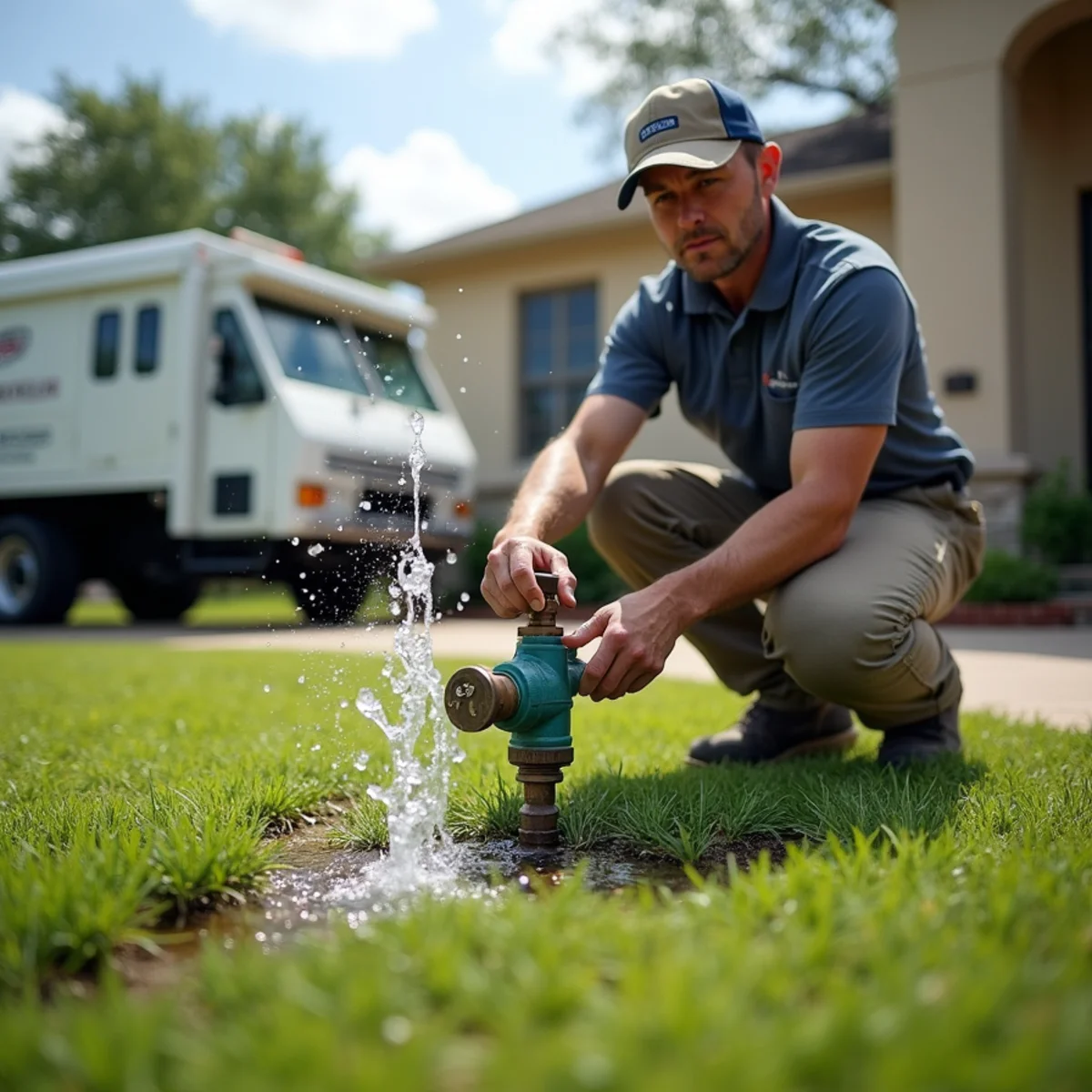
A sprinkler mainline burst is one of the few landscaping emergencies where minutes genuinely matter. Unlike a lateral line that only leaks while a zone is running, the mainline is pressurized around the clock, so a break can pour water into your yard continuously until someone shuts it off. The first goal is not to fix it. It is to stop the water.
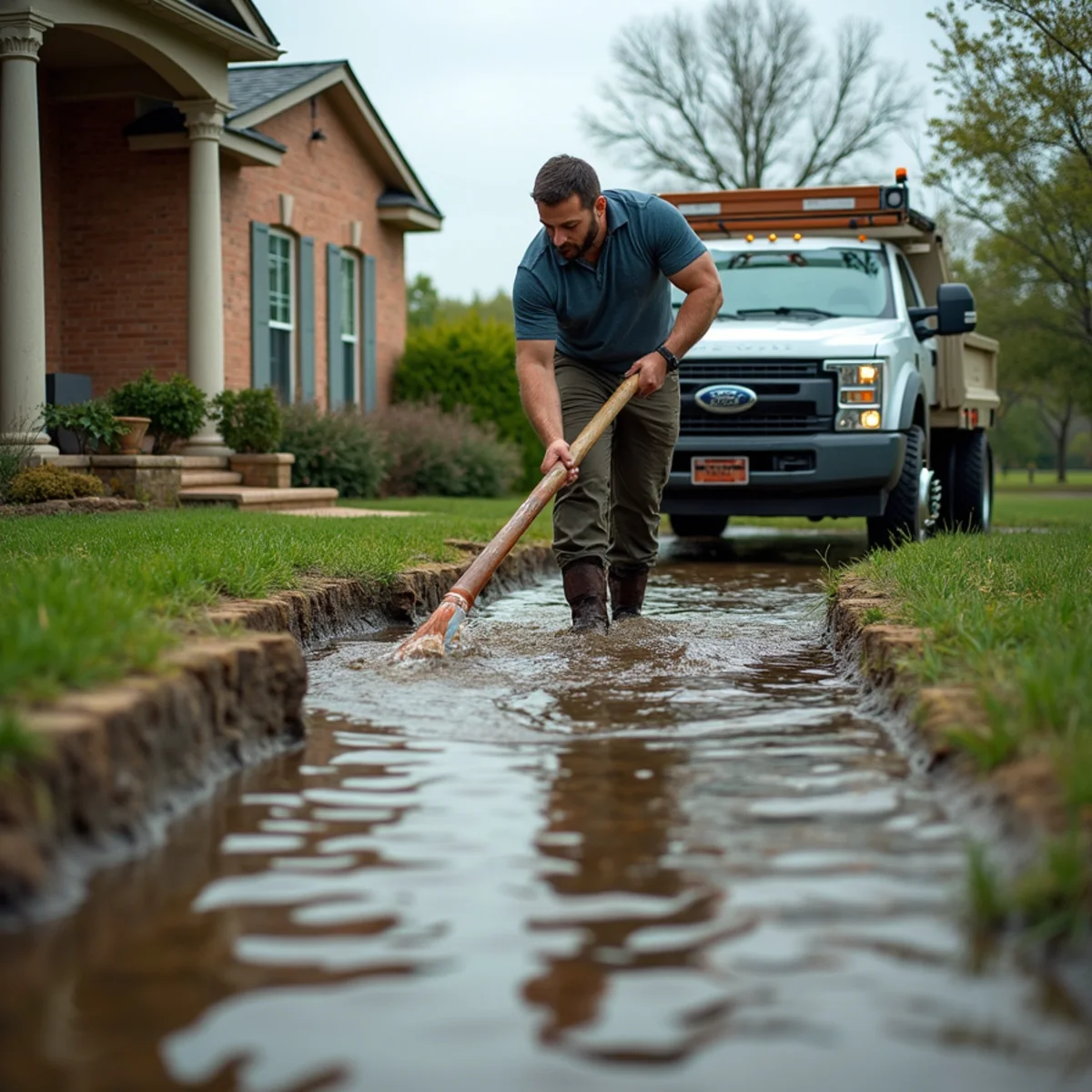
The signs are hard to miss: water bubbling up through the lawn, a small geyser near a valve box, a soggy patch that keeps spreading, or a section of yard that is suddenly sinking. Any of these means water under pressure is escaping underground, and every hour it runs adds to your water bill and the risk to your foundation.
This guide walks you through stopping the flow fast and safely, from finding your irrigation isolation valve to using a curb key at the city meter as a last resort. Keep this handy, because when it happens you will not want to be searching for answers while your yard floods.
Spotting an Underground Irrigation Geyser or Rapidly Sinking Hole
The clearest sign of a mainline break is water where it should not be. A true geyser pushing up through the turf is unmistakable, but many breaks are subtler: a persistently wet or muddy area that will not dry out even when the system is not scheduled to run, or water seeping up around the base of the backflow assembly.
A sinking hole or a soft depression that appears and grows is a serious warning. Pressurized water washes soil away from around the break, undermining the ground above it. On our clay and near foundations, that eroding cavity can become a real hazard, so treat any sudden sinkhole near an irrigation line as an active leak until proven otherwise.
If you hear water running when nothing is scheduled, or your water meter's flow indicator is spinning with every faucet in the house off, you almost certainly have a leak on the pressurized side. That is your cue to move quickly to the shut-off steps below.
Step-by-Step: Locating Your Backflow Isolation Cut-Off Valve
The fastest way to stop an irrigation leak without cutting water to your house is the isolation valve on your backflow assembly. Every code-compliant Texas irrigation system has a backflow preventer, usually mounted above ground near the water meter or along a side of the house, often a green or tan dome or a brass assembly with two test cocks and two shut-off valves.
Those two valves, one on the inlet and one on the outlet, are your irrigation shut-offs. Turn both to the closed position, which for most ball valves means rotating the lever a quarter turn so it sits crosswise to the pipe. That isolates the entire sprinkler system from your household supply and stops the flow to any downstream break while leaving your indoor water on.
It helps to know where this assembly is before an emergency, so take a minute on a calm day to find it and confirm you can turn the valves. If they are seized or you cannot locate the assembly, move on to shutting off at the meter and call for help.
- Find the backflow assembly near the meter or house wall.
- Locate the two shut-off valves on the inlet and outlet.
- Turn both a quarter turn so the levers sit crosswise to the pipe.
- Confirm the flow has stopped before moving on.
Using a Water Curb Key at the City Water Meter
If you cannot reach or operate the backflow valves, or the break is between the meter and the backflow, the next step is the city water meter. The meter sits in a boxed vault near the street, usually under a rectangular lid marked for water. Lift the lid carefully, watching for insects and standing water inside the box.
Inside you will find the city meter and, on your side of it, a shut-off valve. Some can be turned by hand, but many require a curb key, an inexpensive long-handled tool sold at any hardware store that fits the valve and gives you the leverage to turn it. Rotating the valve a quarter turn to crosswise shuts off all water to the property, house included.
This is the whole-property emergency stop, and it is the right move when the leak is severe and you cannot isolate it any other way. Because it cuts water to the house too, use the backflow isolation valve first when you can. Once the water is off, you have stopped the damage and can call for repair without the clock running.
Why Sudden Summer Ground Shifting Cracks Schedule 40 PVC Pipes
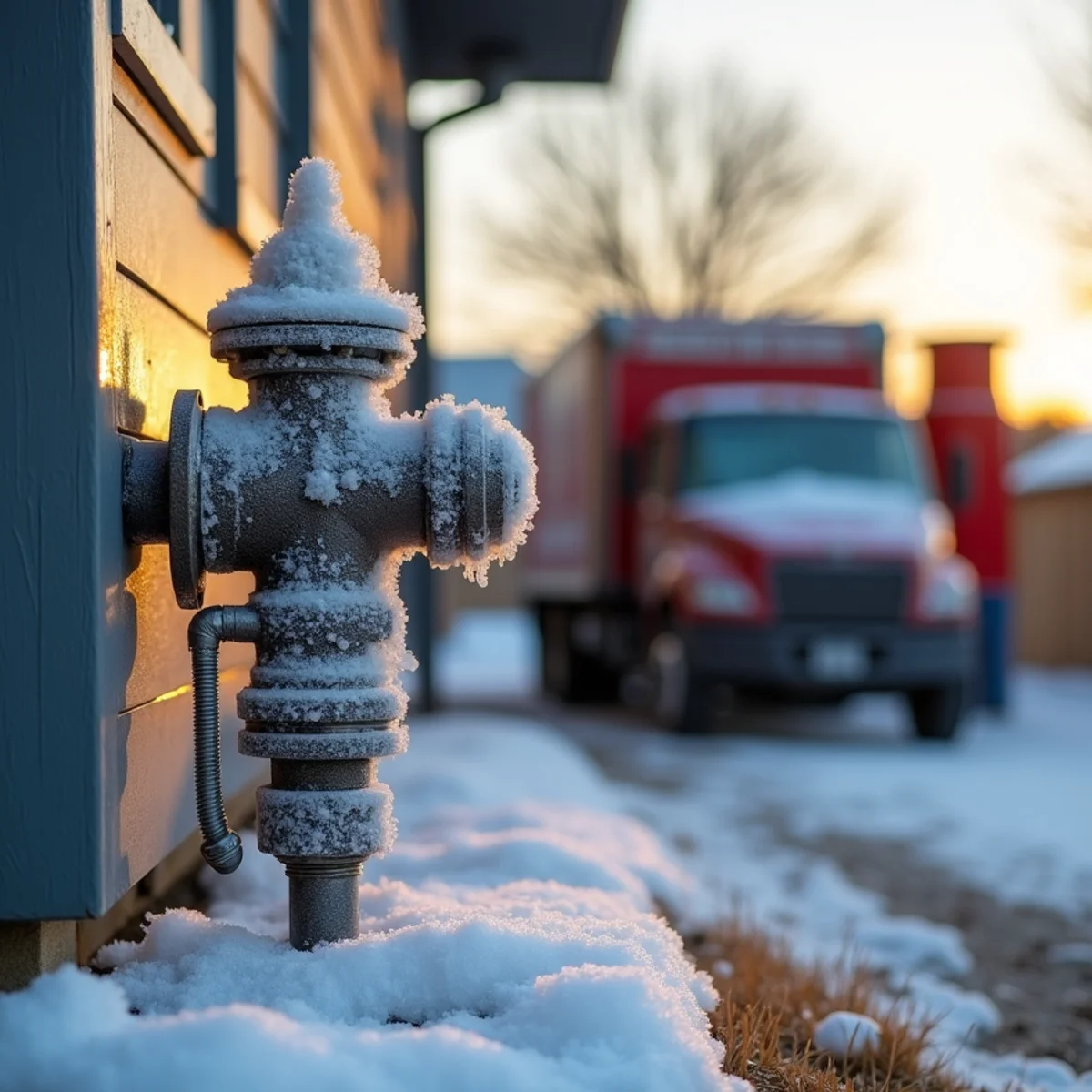
Mainline breaks are not random. In Central Texas they cluster in the extremes of summer and winter, and the culprit is usually the soil. During a hot, dry summer, Blackland clay contracts and cracks into deep fissures as it loses moisture. That movement drags on buried pipe, and where a rigid PVC line is anchored on both sides of a shifting section, the stress can crack a fitting or split the pipe.
Schedule 40 PVC is strong, but it is not immune to the ground moving around it, especially at glued joints and fittings, which are the rigid points that concentrate stress. A long dry spell followed by a heavy rain that suddenly re-swells the clay is a classic setup for a break, as the soil moves the pipe in one direction and then the other.
This is why mainline breaks often show up right when you need irrigation most. Knowing the cause helps with prevention: proper depth, thoughtful routing, and quality fittings all reduce the risk, and a system that keeps soil moisture more even puts less seasonal stress on the pipe in the first place.
Preventing Catastrophic Water Bill Spikes and Foundation Erosion
The two biggest costs of a mainline leak are the ones you do not see immediately. The first is your water bill. A pressurized break can waste an astonishing volume of water in a day, and Central Texas water is not cheap, so a leak left running over a weekend can turn into a shocking bill on top of the repair.
The second, and more serious, is erosion and foundation risk. Water escaping underground near your slab saturates the clay unevenly and washes out supporting soil, exactly the conditions that lead to foundation movement and cracking. A leak close to the house is not just a plumbing problem; it is a threat to the structure.
Shutting the water off promptly stops both problems in their tracks. After that, resist the urge to just cap it and move on, because a leak from ground movement is often a sign of stress that will recur. A proper repair diagnoses why the pipe broke, not just where.
Call Oakwood Landscaping for Immediate Emergency Pipe Repair
Once the water is off, the repair should be done by a licensed irrigator who can find the break, fix it correctly, and check that the ground movement or pressure issue that caused it will not simply crack the next fitting. A rushed patch on the wrong pipe is how a leak becomes a repeat leak.
Oakwood Landscaping is owned by Emmanuel Heredia Sanchez, a TCEQ Licensed Irrigator, and we are BBB Accredited, licensed, and insured. We locate mainline breaks precisely, repair them to code, and check your backflow and pressure so the fix lasts. Because we understand how our soil moves, we address the cause rather than only the symptom.
If your sprinkler mainline has burst, shut off the water using the steps above and then call Oakwood Landscaping at (323) 606-0255 right away. Fast, professional emergency pipe repair protects your bill, your yard, and your foundation, and we are ready to help you stop the damage.
Get Expert Help
Oakwood Landscaping can handle this for you across Round Rock and Central Texas. Explore the services in this guide: