Cost & Pricing· 6 min read· Updated
Flagstone & Paver Patio Cost in Round Rock, TX
What a patio costs in Round Rock, TX: researched per-square-foot ranges for flagstone and pavers, why base prep drives the price, and how size and features change the total.
By the Oakwood Landscaping team · Reviewed by Emmanuel Heredia Sanchez, Owner & TCEQ Licensed Irrigator
A new patio in Round Rock typically falls in a researched planning range of about $15 to $35 per square foot installed, with flagstone often landing higher than concrete pavers because of material and labor. A simple paver patio on a well-drained site sits near the low end; a hand-fitted flagstone patio with a mortared limestone base and custom shaping reaches the top. The base you cannot see does more to determine longevity than the stone you can.
These are typical regional ranges gathered for budgeting, not an Oakwood price. The real cost depends on square footage, material, how your Blackland clay behaves, and features like seat walls, borders, or a fire pit. A 300-square-foot patio and a 600-square-foot one are not just double the material - access, edging, and base volume all scale.
This guide separates the price into materials, base, and labor, compares flagstone against pavers honestly, and shows why proper drainage on expansive clay is what keeps a patio flat for decades. For a firm number on your yard, call Oakwood at (323) 606-0255.
Flagstone vs. Pavers: Material and Cost Differences
The two most common patio materials in Central Texas are natural flagstone - often local limestone or sandstone - and manufactured concrete pavers. Each has a different look, installation method, and price profile, and neither is simply better than the other. The right choice depends on your budget, style, and how much irregularity you want underfoot.
Flagstone is quarried natural stone with irregular shapes and a distinctly Hill Country look. Because each piece is hand-selected and fitted, and often set on a mortared base, labor runs higher and the installed cost lands toward the upper end of the range. Pavers are uniform, manufactured units that lock together over a compacted aggregate base, install faster, and are easier to lift and reset if a section ever settles.
- Flagstone: natural, organic appearance; higher material and labor cost; excellent for a rustic or Hill Country aesthetic.
- Concrete pavers: uniform and modular; typically lower installed cost; individual units are simple to replace.
- Poured concrete: usually the cheapest surface, but it cracks with clay movement and cannot be reset piece by piece.
- Cut limestone: a premium tailored look that sits at the top of the price range for formal designs.
Why the Base Is the Real Cost Driver
On Round Rock's Blackland clay, the base beneath a patio matters more than the surface. This soil swells when wet and shrinks when dry, and that constant movement is what heaves, tilts, and cracks patios built on inadequate foundations. A proper base - excavation to the right depth, compacted road base in lifts, and a leveling layer - absorbs that movement and keeps the surface flat.
Skimping on the base is the most common way a cheap patio bid turns into an expensive repair. A patio installed on a couple of inches of unwashed material over clay may look fine for a season, then start to rock and separate. When comparing quotes, ask exactly how deep the excavation goes and what base material is used - that answer tells you more about the finished product than the stone selection does.
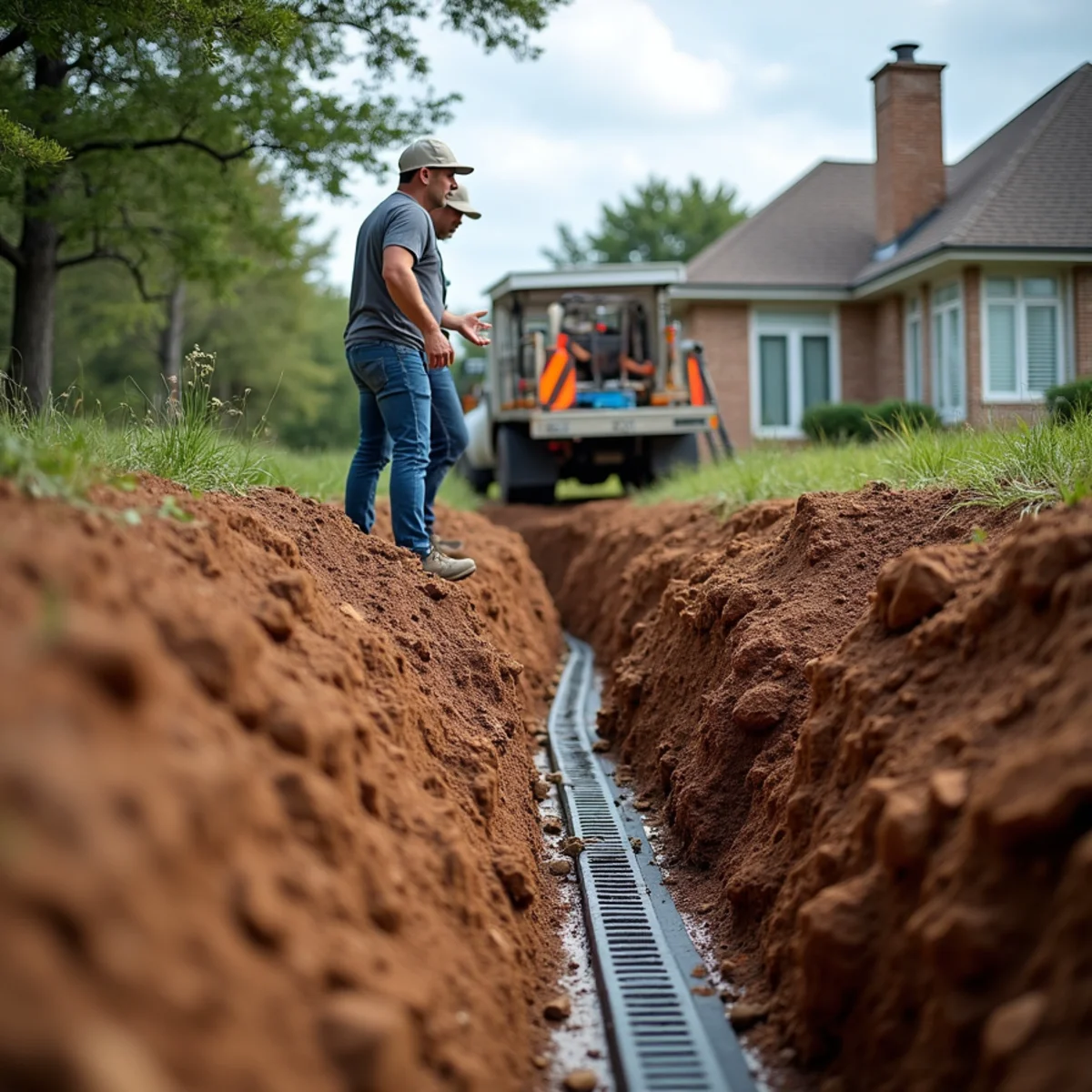
Drainage is part of the base. A patio must be graded to shed water away from the house and away from itself, or standing water works into the clay below and accelerates movement. In Flash Flood Alley, that slope is not optional.
How Size and Features Change the Total
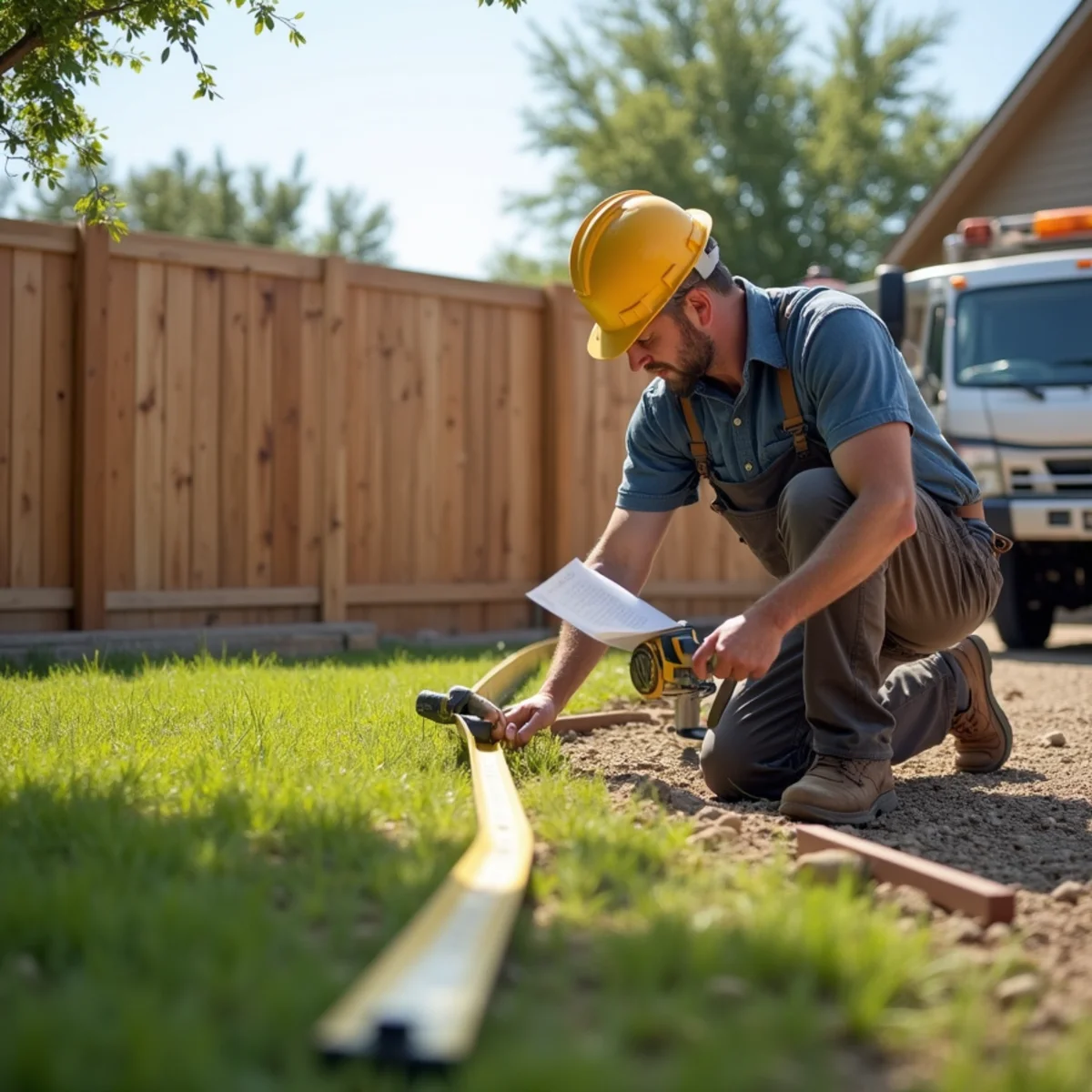
Square footage is the biggest single lever, but it does not scale in a straight line. Larger patios spread the fixed costs of mobilization and access over more area, while tight backyard sites with narrow gates raise labor because every wheelbarrow of base and every stone is carried by hand. A patio reachable by machine costs less per foot than one that must be built entirely by muscle.
Features add up quickly and are worth pricing separately so you can prioritize. A seat wall, a border in a contrasting stone, steps, a fire pit, or an integrated limestone planter each add material and skilled labor. Many homeowners phase these - install the core patio now, add the seat wall or pergola later - to spread the investment.
Estimating Your Patio Budget
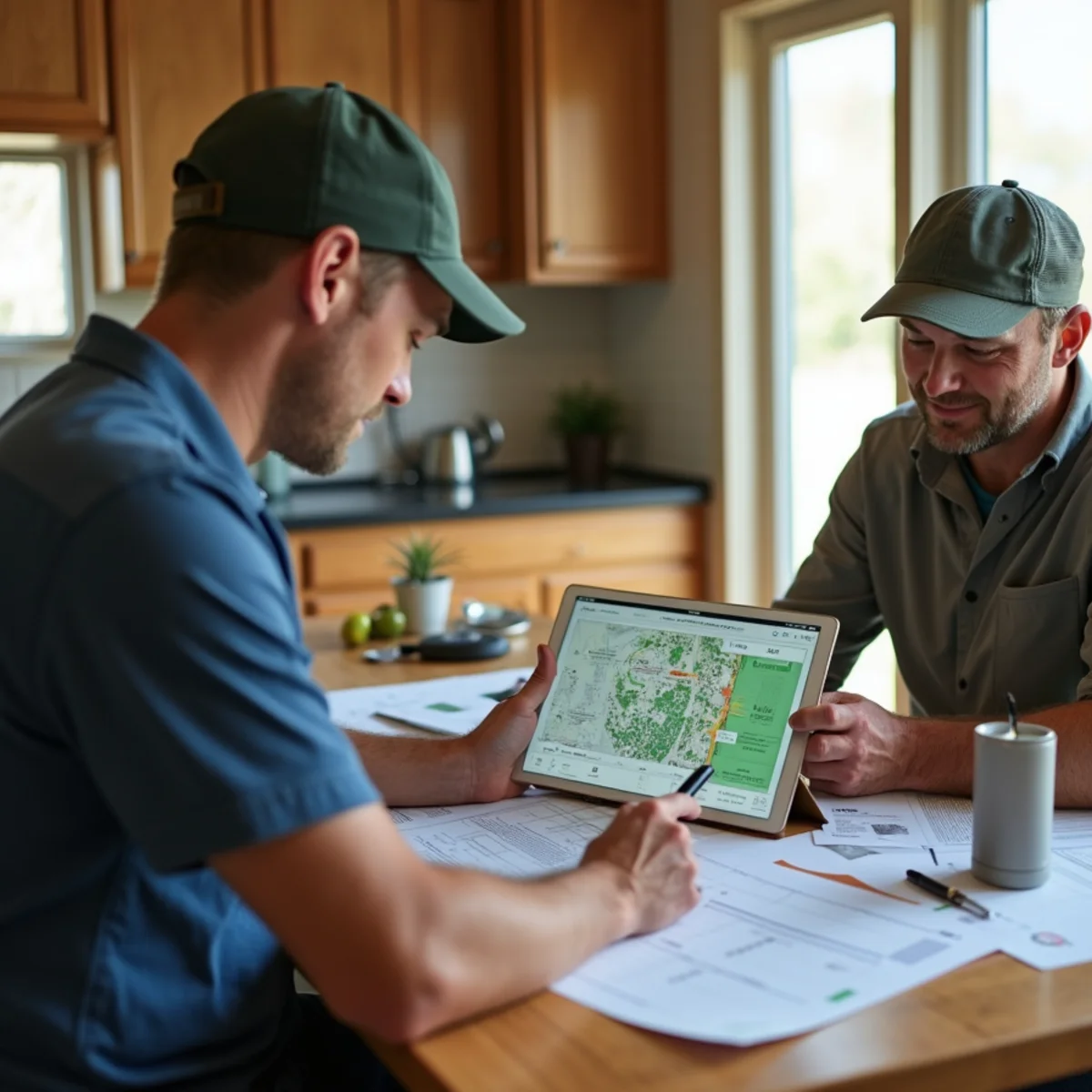
To sketch a rough budget, multiply your planned square footage by the researched range for your chosen material, then add for base depth, difficult access, and any features. A 400-square-foot paver patio at the middle of the range gives you a ballpark; the same footprint in fitted flagstone with a seat wall lands considerably higher.
Treat that math as a starting point, not a bid. Two yards of identical size can quote very differently once soil, slope, access, and drainage are accounted for. The value of an on-site visit is that it prices the parts you cannot see - and those are the parts that determine whether the patio lasts.
Maintenance, Longevity, and Return on the Investment
A patio's cost is easier to justify when you weigh it against how long it lasts and how little upkeep it needs. A properly built paver or flagstone patio is a decades-long surface, and the maintenance is modest: sweeping, occasional weed control in the joints, refreshing polymeric sand between pavers every few years, and resealing flagstone or natural stone periodically to keep it looking sharp. Compared with a wood deck that needs staining and board replacement, hardscape is low-maintenance by nature.
Repairability is part of the value math too. If a paver settles or a tree root lifts a corner, individual units can be pulled and reset without redoing the whole patio - one of the quiet advantages pavers hold over poured concrete, which cracks as a slab and cannot be spot-fixed. Flagstone set in mortar is less modular but extremely durable when the base is right.
There is a resale angle as well. A well-designed outdoor living space expands usable square footage and is consistently valued by buyers in Central Texas, where mild shoulder seasons make patios usable much of the year. Spending a bit more for a base and drainage that keep the surface flat is not just about durability - it protects the appearance that drives that value. A patio that stays level and clean reads as a quality feature; one that has heaved and separated reads as a future repair.
Get a Real Patio Quote from Oakwood Landscaping
A patio is a long-term investment in how you use your yard, and it is only as good as the base beneath it. Oakwood Landscaping builds flagstone and paver patios engineered for Blackland clay, with excavation, compacted base, and drainage that keep the surface flat through years of shrink-swell.
We are licensed, insured, and BBB accredited, and we work in local limestone and quality pavers matched to your home and budget. Call (323) 606-0255 for a free design consultation and a firm patio quote for your Round Rock property.
Get Expert Help
Oakwood Landscaping can handle this for you across Round Rock and Central Texas. Explore the services in this guide: