Whether you're terracing a hillside, leveling a backyard, or protecting a foundation from a slope, we build walls engineered for the load and the soil behind them.
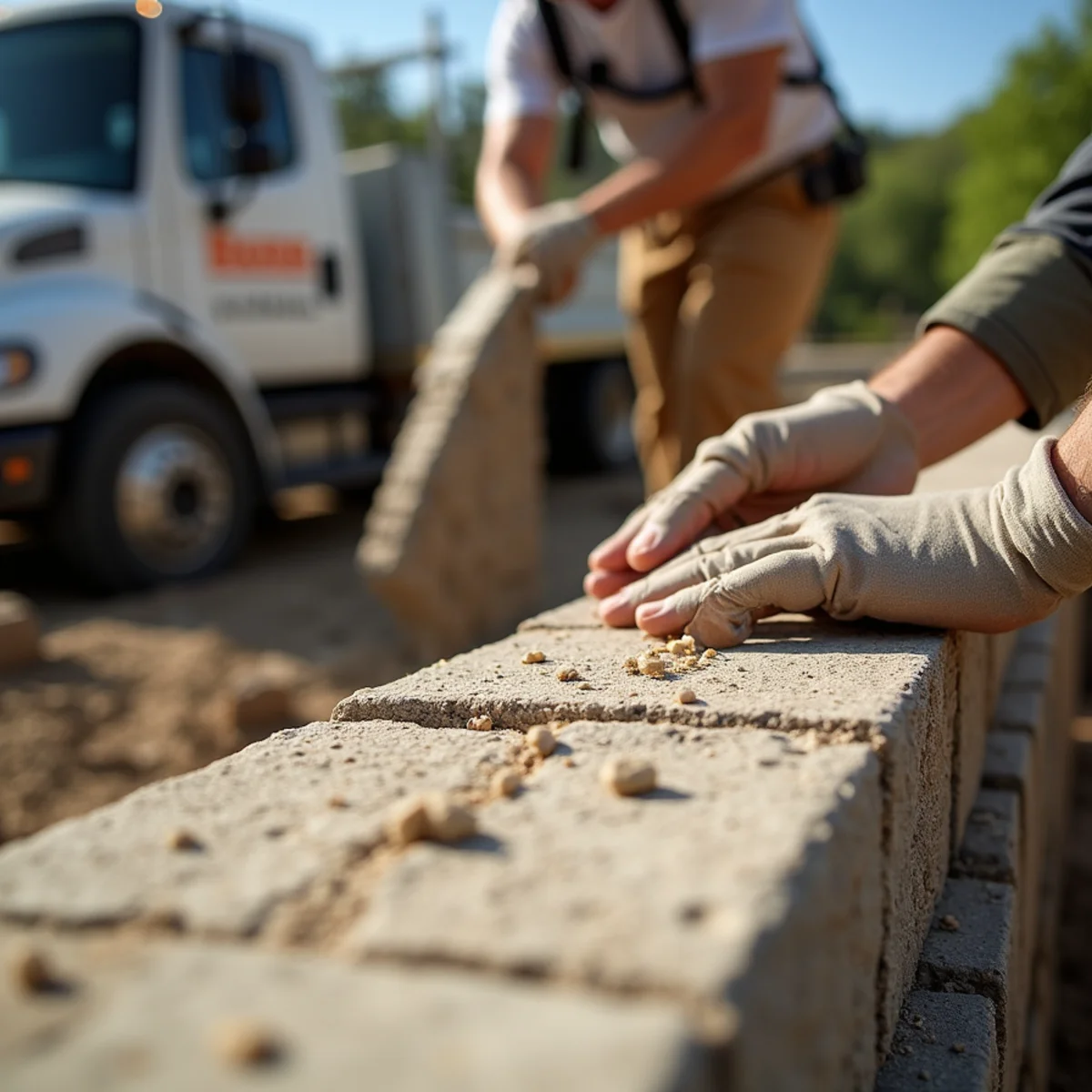
When you need a retaining wall
- A slope eroding or washing out with each storm
- Unusable sloped yard you want to level or terrace
- Soil sliding toward the house or driveway
- A tired or failing wall that needs replacement
- Raised planting beds and terraced garden space
- Grade changes around a new patio or pool
How we build walls that hold
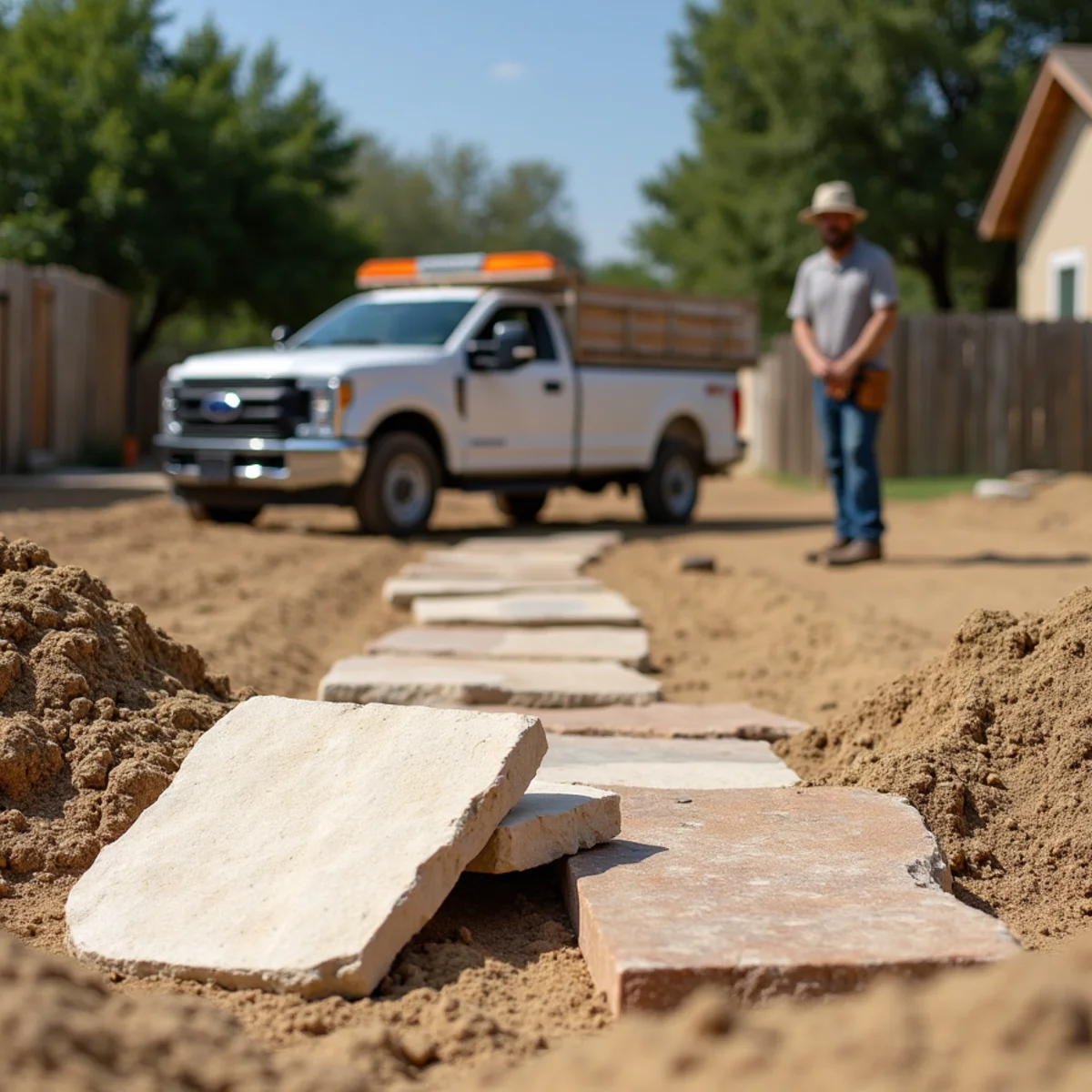
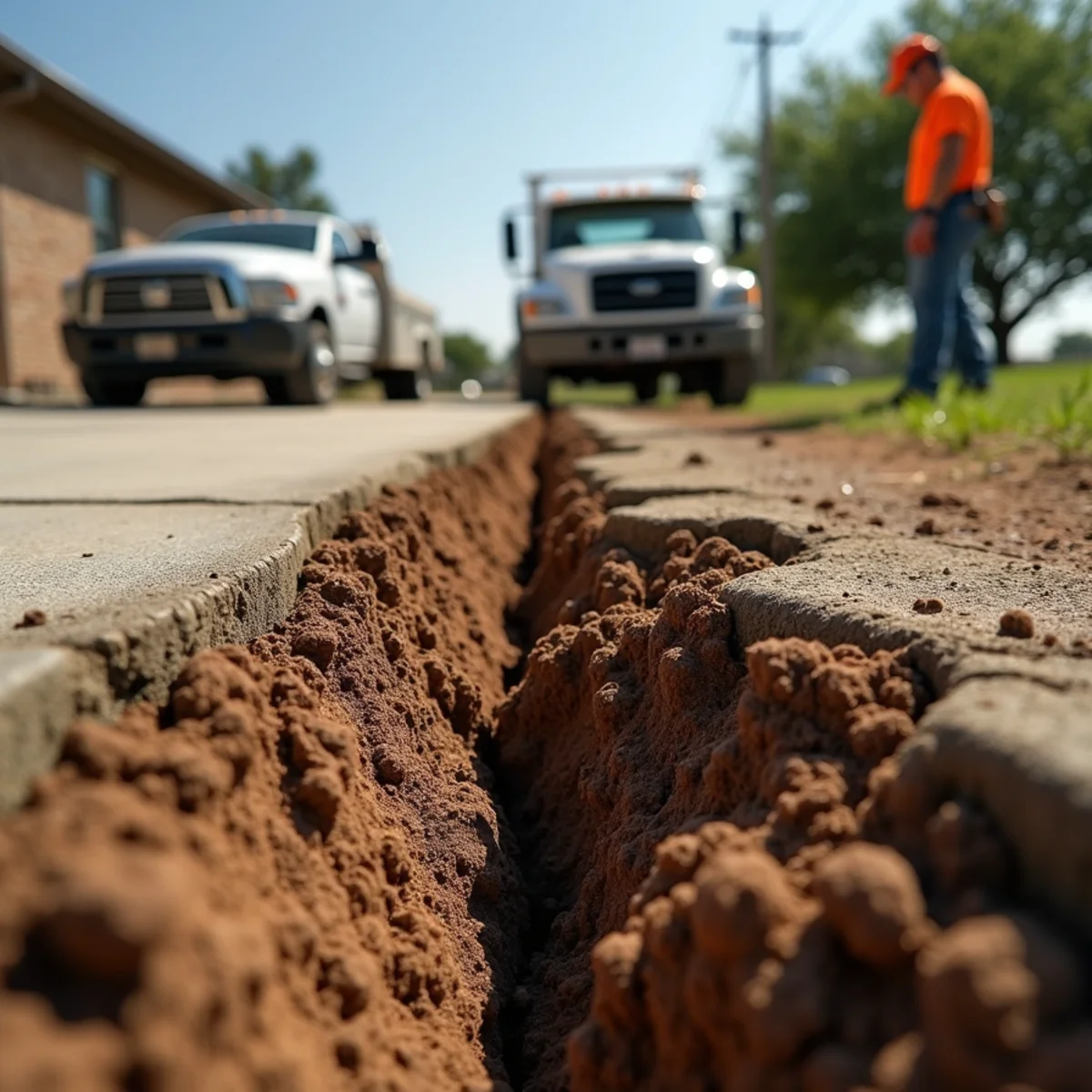
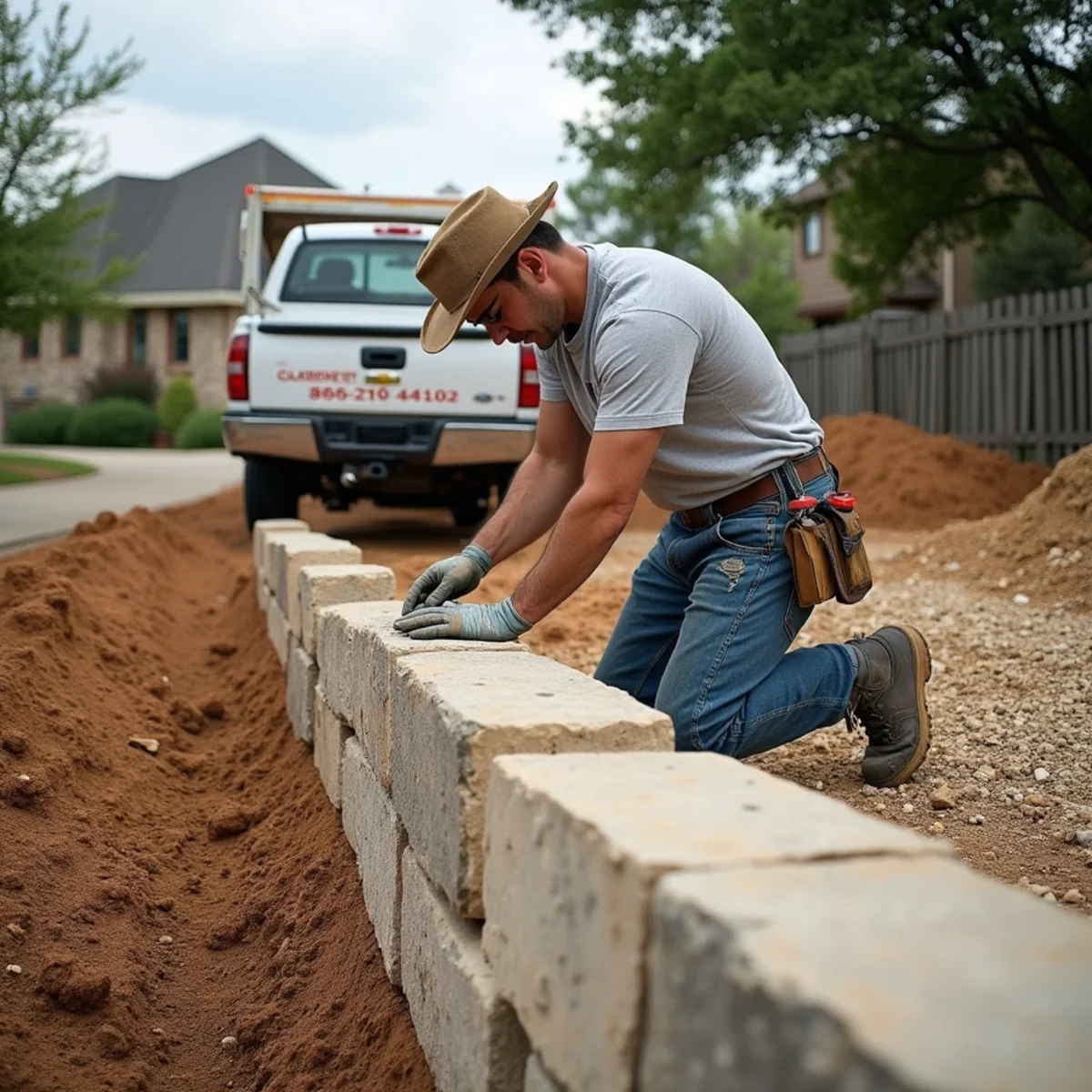
A retaining wall is a structural element, so we build from the base up: excavate to solid ground, establish a level compacted footing, and set the wall with the proper batter (lean-back) so it resists the load instead of fighting it straight-on. In shallow-limestone areas we bring rock-breaking equipment to get the base right.
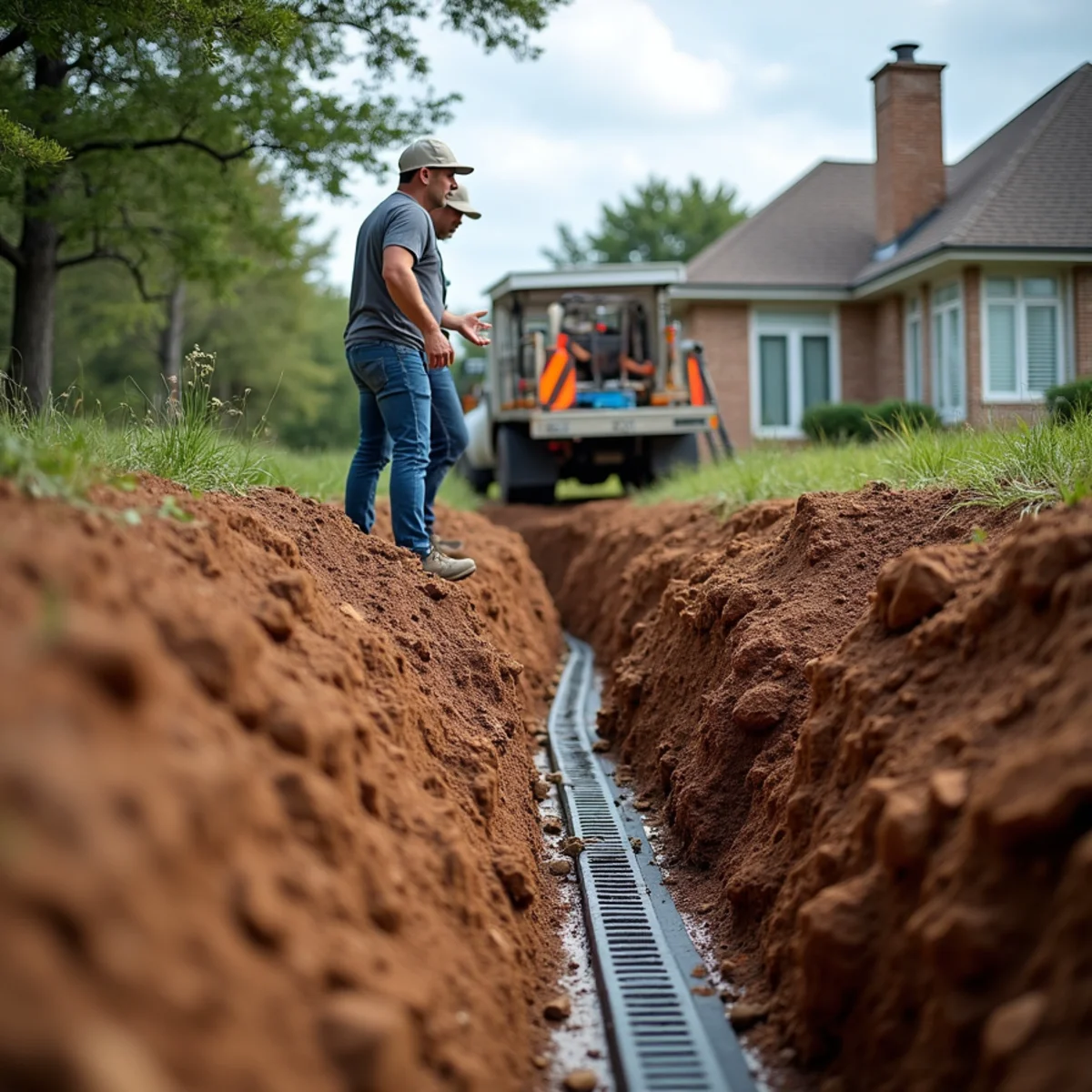
The part that decides whether a wall lasts is drainage. We backfill with gravel, separate soil with filter fabric, and build in weep or drain lines so water escapes instead of building pressure. For taller or load-bearing walls we add reinforcement or deadmen. The finished wall is authentic chopped limestone that ties into Central Texas architecture.
- Excavated, level, compacted footing on solid ground
- Correct batter for the load
- Rock-breaking where limestone is shallow
- Gravel backfill, filter fabric, and weep/drain lines
- Reinforcement or deadmen for tall walls
- Authentic Hill Country chopped limestone finish
Turning a slope into usable space
Round Rock's terrain, where Blackland prairie meets the Hill Country, leaves a lot of properties with slopes that are hard to use and prone to erosion. A well-placed retaining wall — or a series of terraces — converts that wasted grade into flat, plantable, living space while stopping soil from washing downhill with every storm.
Terracing a slope with two or three shorter walls is often smarter than fighting it with one tall one. Shorter walls handle load more easily, may avoid the engineering threshold that taller structures trigger, and create planting shelves that soften the look and slow runoff. We plan the layout around how you want to use the space — garden beds, a level lawn, a patio pad — and build drainage into every tier so the whole system sheds water instead of trapping it. The result is more usable yard and a hillside that stays put.
What Affects the Cost
We don't post fake prices — every job is different. Here's what goes into an honest, written estimate:
- Wall height and length (and any terracing)
- Excavation and rock-breaking difficulty
- Drainage system behind the wall
- Structural reinforcement for tall/load-bearing walls
- Stone type and finish
- Site access on the slope
Walls are quoted on-site after we assess the slope, soil, and load. We never skip the drainage and base to hit a number — that's what makes walls fail.
Why Round Rock Homeowners Choose Oakwood for Hill Country Limestone Retaining Walls
Plenty of contractors will quote this work. Here's what you get with a licensed local crew that does it every week across Central Texas:
- Every wall is built from a level, compacted footing on solid ground with the correct batter for its load.
- Drainage is built in — gravel backfill, filter fabric, and weep lines — so water never builds pressure behind it.
- Finished in authentic Hill Country chopped limestone that ties into Central Texas architecture.
- Licensed, insured, BBB Accredited, and never willing to skip the base or drainage to hit a lower number.
Hill Country Limestone Retaining Walls Across Round Rock & Central Texas
We're based in Round Rock and provide hill country limestone retaining walls throughout Williamson and Travis counties and the surrounding region — from Round Rock, Pflugerville, Georgetown, Cedar Park, Hutto, and Brushy Creek. Because we know each area's soil, drainage, and code, the work is engineered for your specific property — not a generic template. See every community we cover on our service areas page, or call (323) 606-0255 for a free on-site estimate.