Problem & Diagnosis· 6 min read· Updated
How to Detect a Hidden Sprinkler Leak in Round Rock
Step-by-step ways to detect a hidden sprinkler leak in Round Rock: catching a bill spike, running a meter test, reading wet spots, and isolating the leaking zone.
By the Oakwood Landscaping team · Reviewed by Emmanuel Heredia Sanchez, Owner & TCEQ Licensed Irrigator

The fastest way to detect a hidden sprinkler leak in Round Rock is a two-part check: watch for a sudden jump in your water bill or a running meter when nothing should be on, then confirm it with a simple meter test. Turn off every water fixture in the house, note the meter reading, wait 20 to 30 minutes with no water use, and read it again. If the meter moved, water is escaping somewhere, and an irrigation system is one of the most common hidden culprits.
Underground irrigation leaks are sneaky because the water disappears into the soil instead of pooling where you can see it. In Round Rock's Blackland clay, a slow leak can persist for months, quietly running up bills and undermining the ground before any obvious symptom appears. Catching it early saves water, money, and sometimes your foundation.
This guide walks through the warning signs and a homeowner-friendly process to locate and narrow down a leak, plus when to bring in a licensed irrigator. If the trail points to your irrigation system, Oakwood Landscaping can find and repair it fast at (323) 606-0255.
The Warning Signs of a Hidden Leak
Most hidden sprinkler leaks announce themselves indirectly before you ever see water. The clearest signal is a water bill that climbs with no change in habits, especially during months you are not watering much. Because irrigation lines are pressurized, even a small crack or a failed valve can leak continuously, and the meter keeps spinning.
Learn to read the visible symptoms in the yard, too. A hidden leak often reveals itself through the grass and soil long before you find the pipe:
- A water bill spike with no matching change in usage, or a bill higher in cool months than expected.
- A patch of grass that is greener, taller, or spongy underfoot while the rest of the lawn is dry.
- Persistent soggy or muddy spots, or water seeping to the surface between watering cycles.
- Low pressure or weak spray from heads, a sign water is escaping upstream of them.
- The sound of running water, or a sprinkler valve box that stays wet inside.
- Cracks or erosion in the soil, or unexplained settling near the foundation.
The Water Meter Test, Step by Step
Your water meter is the single best leak-detection tool you own, and the test costs nothing. It tells you definitively whether water is moving through your service line when it should not be. Here is the process:
- 1. Turn off all water inside and outside the house: faucets, ice makers, washing machines, and the irrigation controller.
- 2. Find your water meter, usually in a box near the street, and note the exact reading, including the small leak-indicator dial or triangle if present.
- 3. Do not use any water for 20 to 30 minutes.
- 4. Read the meter again. If the numbers moved or the leak indicator spun, water is escaping somewhere on your side.
- 5. To point the finger at irrigation, shut off the dedicated valve to your sprinkler system, then repeat the test. If the meter stops moving with irrigation off, the leak is in the sprinkler system.
Isolating the Leak to a Single Zone
Once the meter test confirms the leak is in the irrigation system, the next job is narrowing it to one zone or component. A sprinkler system is divided into zones, each controlled by its own valve, which lets you test them one at a time. Working methodically here saves a lot of unnecessary digging.
Run each zone individually from the controller and watch and listen. A leaking zone may show water surfacing, a soft muddy strip along the pipe run, a head that gushes or barely rises, or noticeably weak pressure across all its heads. If water runs continuously even when the whole system is off at the controller, the leak is likely at a valve that is not sealing or in the mainline that stays pressurized. Mainline and valve leaks are the ones that quietly run up bills around the clock, so they deserve priority attention.
Common Leak Points and Why Round Rock Is Tough on Pipes
Irrigation leaks concentrate at a handful of weak points: cracked poly or PVC pipe, broken or tilted sprinkler heads, worn valve diaphragms and seals, loose fittings and glued joints, and the backflow preventer where the system ties into your potable water. The backflow device is worth checking closely, since a leak or failure there is both a water loss and a safety issue that TCEQ requires be tested.
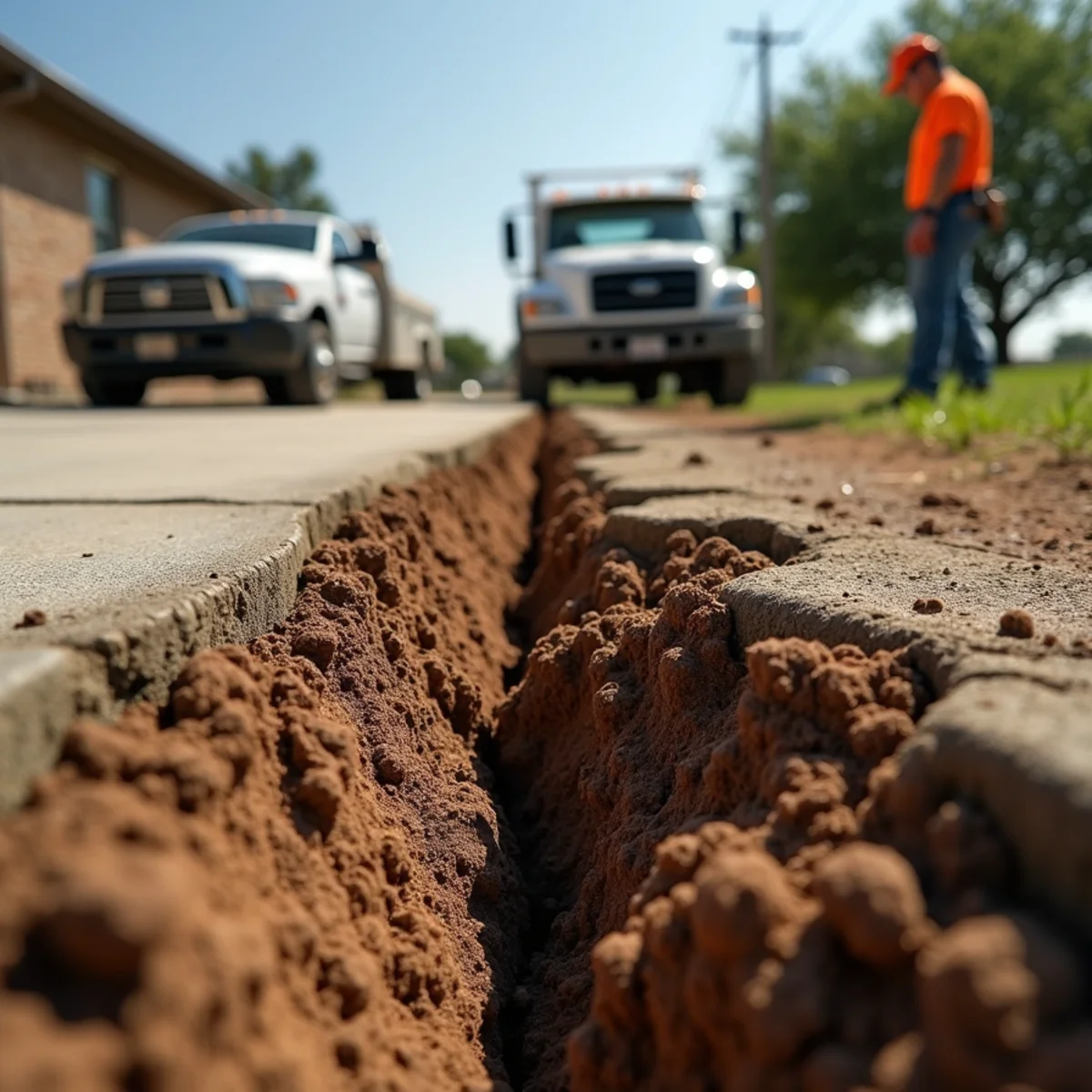
Round Rock's Blackland clay is especially hard on buried lines. This soil shrinks and swells dramatically with moisture, expanding when wet and contracting into deep cracks when dry. That constant movement flexes and stresses pipes and fittings year after year until something cracks or pulls apart. It is the same shrink-swell force that damages foundations here, and it explains why irrigation leaks are common in Central Texas even in well-built systems. Hard freezes add another risk, cracking pipes and backflow assemblies that were not properly winterized.
When to Call a Licensed Irrigator
Homeowner detective work can confirm a leak exists and often narrow it to a zone, but pinpointing and repairing a buried leak without tearing up the whole yard is where professional tools and experience pay off. A licensed irrigator uses pressure testing, valve diagnostics, and leak-locating methods to find the exact spot, then repairs it correctly so it does not recur. Guessing and digging blind usually costs more in the end.
Call a pro promptly if the leak is continuous, if it is near the foundation, if the backflow preventer is involved, or if you simply cannot isolate it. In Texas, irrigation work is regulated under TCEQ Title 30 Chapter 344, and backflow assemblies must be tested by a certified tester, so this is not a place for uncertified shortcuts. Acting quickly limits water loss, protects your foundation from constant moisture, and keeps you compliant.
Find and Fix Sprinkler Leaks With Oakwood
A hidden sprinkler leak wastes water every hour it runs and can quietly threaten your foundation in Blackland clay. If your meter test or wet spots point to irrigation, do not let it run for months. Fast, accurate diagnosis and repair stop the loss and protect your property.
Oakwood Landscaping is a TCEQ Licensed Irrigator, BBB accredited, licensed and insured. We locate and repair hidden irrigation leaks, service valves and backflow assemblies, and handle certified backflow testing. Call (323) 606-0255 for leak detection and repair in Round Rock, Pflugerville, and Georgetown.
Get Expert Help
Oakwood Landscaping can handle this for you across Round Rock and Central Texas. Explore the services in this guide: