Problem & Diagnosis· 6 min read· Updated
Why Sprinkler Heads Lose Pressure: Clogged Filters & Tree Roots
A troubleshooting guide for weak sprinkler heads, covering clogged filters, tree roots pinching lines, failing valves, and pressure regulator problems.
By the Oakwood Landscaping team · Reviewed by Emmanuel Heredia Sanchez, Owner & TCEQ Licensed Irrigator
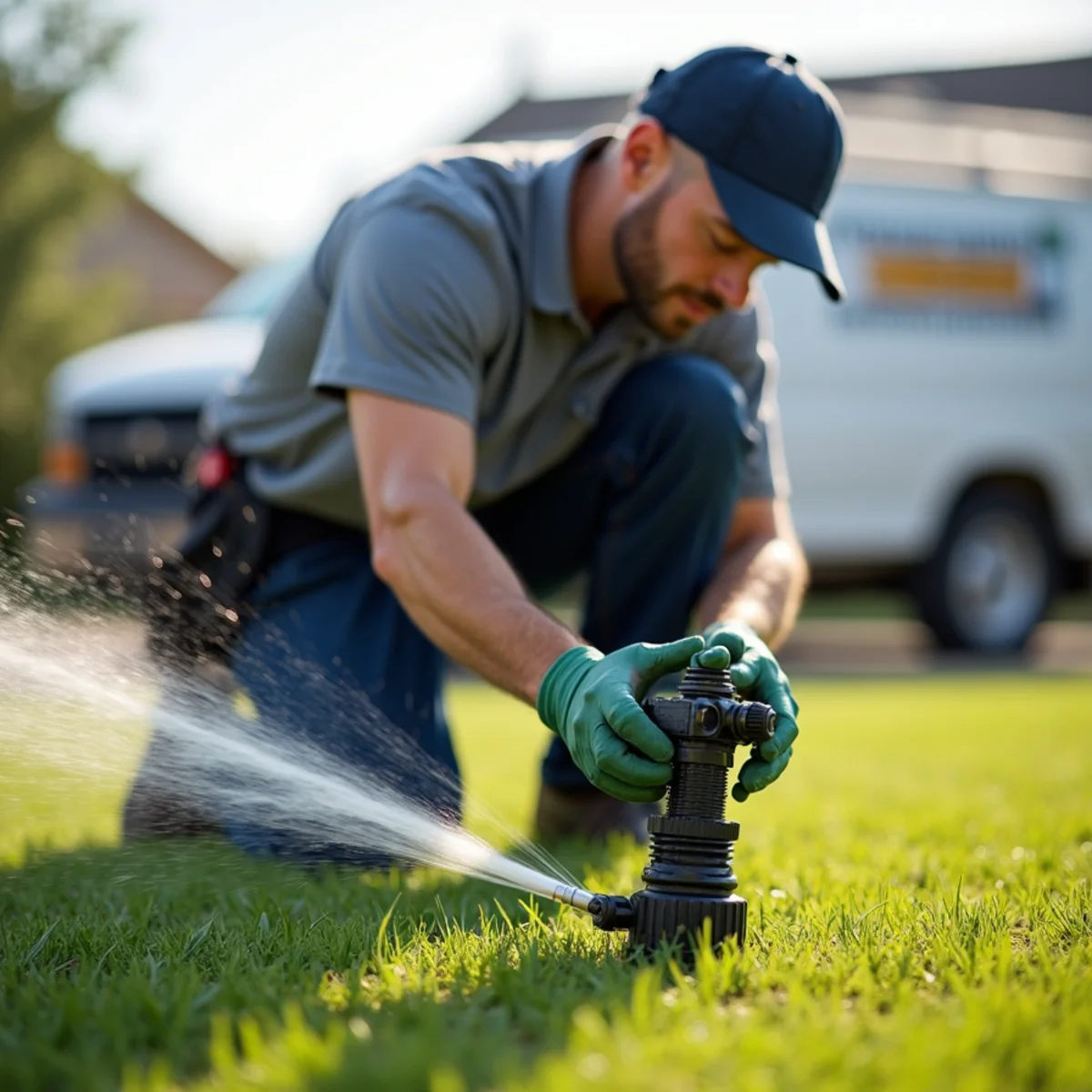
Sprinkler heads that used to throw a strong, even spray and now just dribble are telling you something. Low pressure at the heads means dry spots, uneven coverage, and a lawn that browns in patches no matter how long you run the system. The good news is that weak pressure is usually a specific, findable problem rather than a mystery.
The causes range from the trivial to the serious: a nozzle filter clogged with grit, a tree root slowly crushing a buried line, a valve failing to open fully, or a pressure regulator that has quit. Each produces its own pattern, and reading that pattern is how you narrow it down.
This guide walks through the common reasons sprinkler heads lose pressure in Round Rock, from the quick fixes you can check yourself to the underground problems that call for a licensed irrigator. If your spray has gone weak, start here.
Symptoms: Dribbling Heads, Unraised Pop-Ups & Weak Spray Patterns
Start by watching the system run and noting exactly how it fails, because the pattern points to the cause. Pop-up heads that barely rise, or rise partway and wobble, are a sign of insufficient pressure or flow reaching them. Heads that dribble or produce a limp, short spray instead of a firm pattern are the classic low-pressure symptom.
Where the weakness occurs matters. If only one zone is weak while the others are strong, the problem is likely in that zone, its valve, its piping, or a clog specific to it. If every zone is weak, the issue is more likely upstream, at the main supply, the pressure regulator, or the backflow, affecting the whole system.
Also note whether the problem came on suddenly or gradually. A sudden drop often means a break, a failed valve, or a regulator letting go, while a slow decline over seasons points to gradual clogging or roots closing in on a line. These observations, made before anyone starts digging, save a great deal of guesswork.
- Pop-ups that barely rise signal low pressure or flow.
- One weak zone points to that zone's valve or piping.
- All zones weak points upstream to the supply or regulator.
- Sudden loss suggests a break or failed component.
- Gradual decline suggests clogging or encroaching roots.
Flushing Gritty Sand and Silt from Nozzle Filter Baskets
The easiest and most common fix is also the one most people overlook: clogged filters. Nearly every spray head has a small filter basket or screen beneath the nozzle, and in Central Texas our water and disturbed soil carry grit, sand, and silt that gradually pack that screen. A clogged filter chokes the flow and weakens the spray one head at a time.
Clearing it is straightforward. With the zone off, unscrew or lift out the nozzle and the filter basket beneath it, rinse the grit out under clean water, and clear the nozzle openings of any debris before reassembling. It is worth flushing the line briefly with the nozzle removed to clear grit from the riser too, so it does not immediately re-clog the clean filter.
If a whole zone went weak after work was done on the water system, or after a mainline repair, disturbed sediment is a likely culprit and several filters in that zone may be packed at once. Cleaning filters is cheap, quick, and often restores full pressure, so it should always be the first thing checked before assuming a bigger problem.
Aggressive Live Oak Tree Roots Pinching Underground Lateral Lines
Central Texas yards are full of live oaks and other vigorous trees, and their roots are relentless in seeking water. Over years, a root growing alongside a buried lateral line can wrap and thicken against the pipe, slowly pinching it closed and choking the flow to every head downstream. The result is a zone that weakens gradually, often on the side of the yard nearest a big tree.
This one is harder to diagnose because it is invisible, but the pattern gives it away: a gradual pressure loss in a specific zone, worst at the heads farthest along the line, with a mature tree between the valve and the weak heads. Roots can also break into a line entirely, seeking the moisture, which both reduces pressure and wastes water underground.
Fixing it means locating the pinched or invaded section and repairing or rerouting the line, sometimes with a root barrier to keep the problem from recurring. Because it involves finding a specific point along a buried pipe near tree roots, this is work for a licensed irrigator who can trace the line and repair it without harming the tree unnecessarily.
Failing Zone Solenoid Valves and Diaphragm Tears
Each zone is controlled by a valve with an electric solenoid and a rubber diaphragm that opens and closes the water flow. When a valve fails, it often fails partway: a worn or torn diaphragm, or debris caught under it, can keep the valve from opening fully, so the zone runs but at reduced pressure. This produces a single weak zone while the rest of the system is fine.
A failing solenoid or a valve that will not fully open can also cause a zone that trickles, comes on slowly, or will not shut off completely. Grit is again a factor here, since sediment in the water can lodge in the valve and hold the diaphragm partly open or closed, so valve problems and dirty water often go together.
Diagnosing a valve means checking whether it is getting the right electrical signal and then inspecting the diaphragm and internals for wear or debris. Rebuilding or replacing a valve is a routine repair, but it has to be matched to the valve and done correctly so the zone seals and opens as it should, which is why a weak or misbehaving single zone is worth having looked at.
Main Pressure Regulator Failure: Low PSI vs Blown Pipes
Many systems have a pressure regulator that steps the incoming water pressure down to the range the sprinkler components are designed for. When a regulator fails, it can fail in either direction, and the two failures look very different. If it fails closed or sticks low, every zone in the system loses pressure at once, producing weak spray everywhere.
If a regulator fails open, the opposite happens: full, unregulated pressure reaches components rated for less, which can blow fittings, split pipe, and misting heads that fog instead of spray. A system-wide change in behavior, whether uniformly weak or suddenly harsh and misting, points toward the regulator or the main supply rather than any single zone.
Because the regulator sits at the heart of the system and affects everything downstream, diagnosing it correctly matters. Testing the actual pressure at the source and comparing it to what the heads are receiving tells whether the regulator is doing its job. This is measurement work, and getting it right prevents both chronic weak coverage and the damage that too much pressure causes.
Call Our Licensed Irrigators to Restore Peak Sprinkler Pressure
Some pressure problems, like a clogged filter basket, are a quick homeowner fix worth trying first. Others, like a root-pinched line, a failing valve, or a bad regulator, take tracing, testing, and proper repair to solve without creating new problems. Knowing which is which saves both money and frustration.
Oakwood Landscaping is owned by Emmanuel Heredia Sanchez, a TCEQ Licensed Irrigator, and we are BBB Accredited, licensed, and insured. We diagnose low-pressure problems systematically, measuring pressure, isolating the affected zone, and finding the actual cause rather than swapping parts and hoping. Whether it is filters, valves, roots, or the regulator, we restore even, full-strength coverage.
If your sprinkler heads have gone weak and your lawn is showing it, call Oakwood Landscaping at (323) 606-0255. We will pinpoint why the pressure dropped and bring your system back to peak performance so every zone waters the way it should.
Get Expert Help
Oakwood Landscaping can handle this for you across Round Rock and Central Texas. Explore the services in this guide: